

The EEOC has lodged a lawsuit against the convenience store chain, Sheetz, alleging that the company’s policy of denying employment to applicants with criminal records disproportionately affects black, Native American, and multiracial applicants. This action by the EEOC is not accusing Sheetz of intentional discrimination but claims that their hiring policy violates federal law prohibiting practices that negatively impact minorities.
“Sheetz has maintained a longstanding practice of screening all job applicants for records of criminal conviction and then denying them employment based on those records,” stated the EEOC.
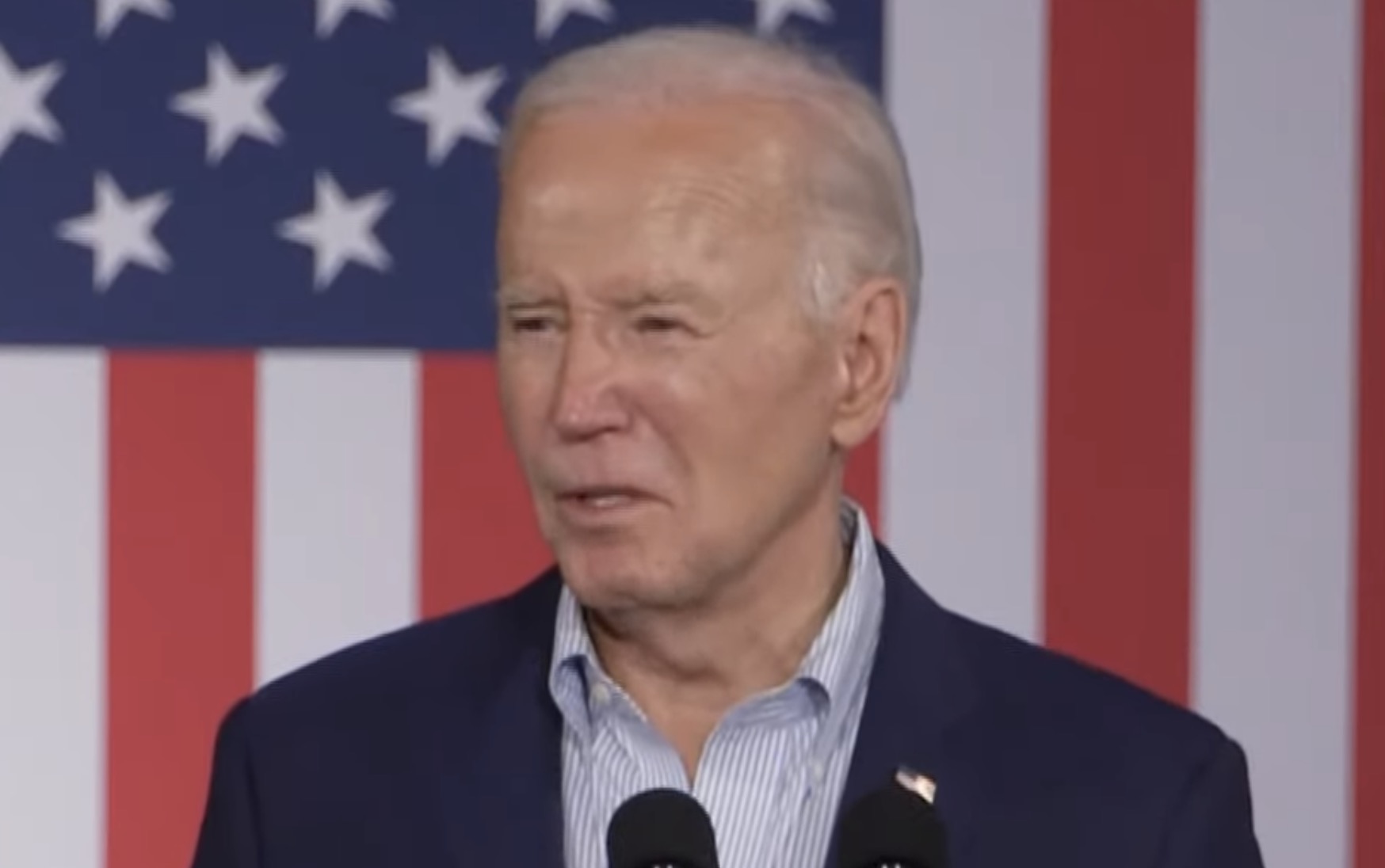
However, Sheetz has refuted these allegations and highlighted its efforts to promote diversity and resolve this dispute with the EEOC. On the day the lawsuit was announced, President Biden visited a Sheetz location which raised eyebrows about his awareness of his administration’s racial discrimination claim against the company.
“Diversity and inclusion are essential parts of who we are,” said company spokesman Nick Ruffner said. “We take these allegations seriously. We have attempted to work with the EEOC for nearly eight years to find common ground and resolve this dispute.”
The EEOC is now seeking to force Sheetz to offer jobs and back pay to those denied work due to their alleged unlawful criminal background check policy.
“Federal law mandates that employment practices causing a disparate impact because of race or other protected classifications must be shown by the employer to be necessary to ensure the safe and efficient performance of the particular jobs at issue,” EEOC Regional Attorney Debra M. Lawrence said.
“Even when such necessity is proven, the practice remains unlawful if there is an alternative practice available that is comparably effective in achieving the employer’s goals but causes less discriminatory effect.”
EEOC Philadelphia District Office Director Jamie R. Williamson stated, “This highlights the significance of the observance of April as Second Chance Month, underscoring our nation’s commitment to reintegrating individuals with criminal records into society by ensuring they have fair access to employment and other essential services. To that end, the EEOC is dedicated to making sure that individuals with criminal records are not unlawfully excluded from employment opportunities because of race.”
Source: Newsroom