
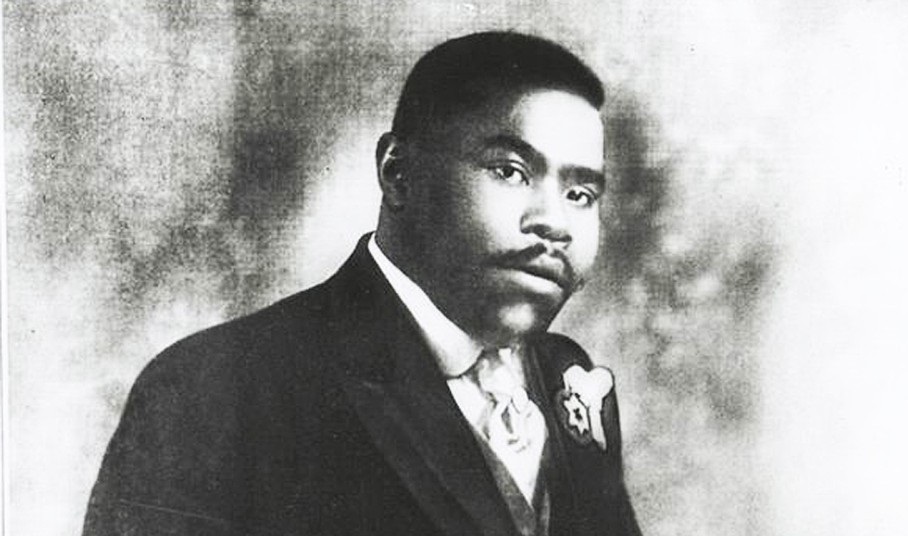

Joe Biden has recently granted a posthumous pardon to Marcus Garvey, a prominent Jamaican black nationalist who was convicted of mail fraud in the 1920s. Born on August 17, 1887, in St. Ann’s Bay, Jamaica, Garvey moved to the United States in 1916 and quickly became a significant figure in advocating for black nationalism and Pan-Africanism. Before his death in 1940, he established the Universal Negro Improvement Association and African Communities League (UNIA-ACL), which aimed to uplift people of African descent around the world.
Garvey is perhaps best known for promoting the Back-to-Africa movement, encouraging black Americans to return to their ancestral homeland. His vision included not only cultural pride but also economic independence through initiatives like the Black Star Line, a shipping company he founded as part of this movement. However, his ambition faced significant challenges. The mail fraud conviction stemmed from allegations that he misled investors about the financial status of the Black Star Line.
Supporters of Garvey have long argued that these charges were politically motivated due to his rising influence and popularity among African Americans. The prosecution claimed that Garvey had used the postal service to defraud investors by making false statements regarding his company’s finances. Despite these claims, many believe that Garvey’s ideas threatened established powers at the time.
In 1927, President Calvin Coolidge commuted Garvey’s sentence after he had served some time in prison for his conviction. Following this decision, Garvey was deported back to Jamaica where he continued his activism until his death.
Biden’s administration released a statement highlighting Garvey’s legacy: “Marcus Mosiah Garvey (1887-1940) was a renowned civil rights and human rights leader who was convicted of mail fraud in 1923 and sentenced to five years’ imprisonment.” The statement noted that President Coolidge commuted his sentence in 1927 and recognized Garvey’s contributions such as creating the Black Star Line—the first Black-owned shipping line—and founding the UNIA, which celebrated African history and culture.
The impact of Marcus Garvey’s work has been acknowledged by many leaders over time. Dr. Martin Luther King Jr. once referred to him as “the first man of color in the history of the United States to lead and develop a mass movement.” Advocates today continue to praise his global advocacy efforts while emphasizing what they see as an injustice underlying his criminal conviction.
This pardon reflects an ongoing discussion about historical figures whose legacies are intertwined with social justice movements and how their actions are perceived over time. As more people engage with this topic today, it raises questions about how we remember our past leaders and address historical injustices.
What do you think about Biden’s decision? Share your thoughts in the comment section below!