
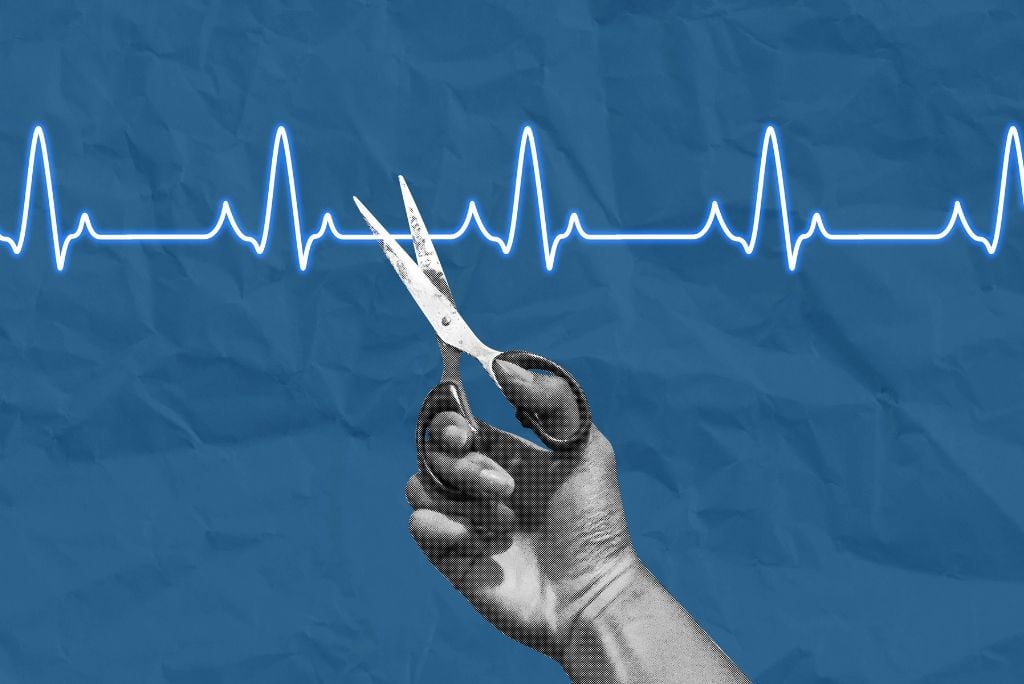

The rise of euthanasia in Canada has sparked a significant debate, revealing an unsettling reality beneath the surface of what some consider progress. The topic has gained attention as more Canadians are choosing assisted dying, raising ethical questions about the implications for society and vulnerable populations. Advocates argue that it provides a compassionate option for those suffering from terminal illnesses or unbearable pain, while critics warn that it could lead to a slippery slope where life is undervalued.
In recent years, Canada has expanded its euthanasia laws, allowing not just those with terminal conditions but also individuals facing severe mental health challenges to seek assistance in ending their lives. This change has led to an increase in cases across the country. Many feel that this expansion might pressure vulnerable individuals into making irreversible decisions during their most difficult times. As reported by various sources, including The Gateway Pundit, there are concerns about whether people are fully informed and supported when they choose this path.
The conversation around euthanasia often highlights the need for comprehensive palliative care options. Many believe that instead of offering assisted dying as a solution, society should focus on improving access to quality end-of-life care that can alleviate suffering without resorting to ending life prematurely. Supporters of this view argue that every effort should be made to ensure that individuals experiencing pain have access to adequate medical treatment and emotional support.
Moreover, discussions surrounding euthanasia frequently touch on the moral and ethical responsibilities of healthcare providers. Should doctors be involved in helping patients end their lives? This question weighs heavily on many medical professionals who take an oath to do no harm. For them, participating in euthanasia can conflict with their core values and beliefs about preserving life.
As these debates unfold, public opinion remains divided. Some Canadians see euthanasia as a necessary choice for personal autonomy—believing individuals should have control over their own bodies and destinies. Others fear that such choices may diminish respect for life itself and lead society down a dangerous path where death becomes an acceptable solution rather than addressing underlying issues like mental health or chronic pain management.
Social media platforms have become arenas for discussion on this contentious issue, with voices from all sides sharing their perspectives. A recent tweet summed up the urgency of the matter: “We must protect our most vulnerable citizens from being pushed towards death.”
This ongoing discourse reflects broader societal values regarding life and death decisions. It raises fundamental questions about how we treat those who are suffering and what kind of support systems we provide for them. As Canada continues to navigate these complex issues surrounding euthanasia, it is crucial for citizens to engage thoughtfully in conversations about ethics, compassion, and healthcare rights.
The implications of these laws extend beyond individual choices; they affect families and communities as well. When someone opts for assisted dying, it can leave lasting emotional impacts on loved ones who may struggle with feelings of guilt or loss long after the decision is made. Understanding these dynamics is essential as we move forward in addressing both the legal framework surrounding euthanasia and its human consequences.
As this topic evolves within Canadian society—and indeed globally—it invites everyone to reflect deeply on what it means to live well until our last moments. We encourage readers to share their thoughts in the comment section below regarding this important issue impacting so many lives today.