
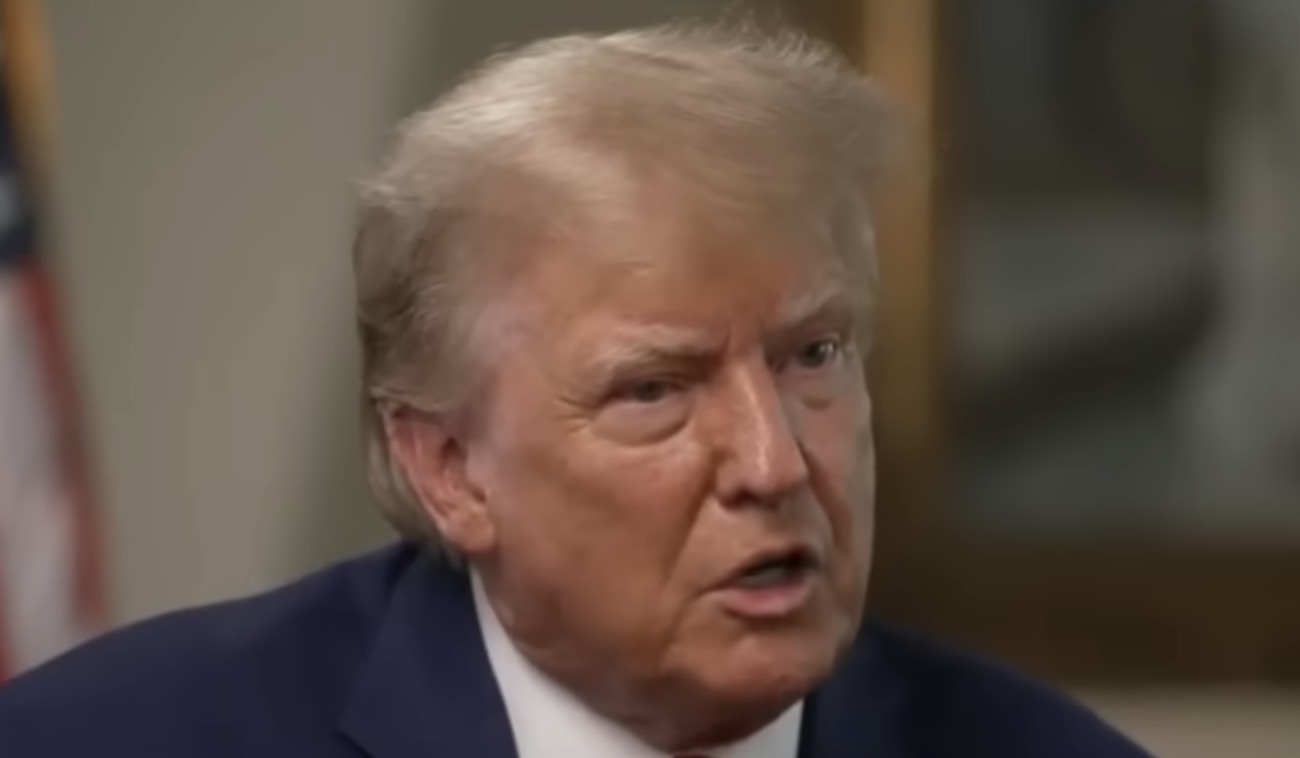

U.S. District Judge Aileen Cannon has taken decisive action by issuing a temporary injunction that prevents the release of a report prepared by special counsel Jack Smith. The report is connected to an investigation into classified documents associated with President-elect Donald Trump. In her ruling, Judge Cannon made it clear that the report will not be made public until after the 11th Circuit Court of Appeals rules on a related appeal brought by Trump co-defendants Waltine Nauta and Carlos De Oliveira. The co-defendants argued that releasing the report before the appeal is considered could cause “irreparable harm.” This measure is meant to ensure that the legal process is not disrupted and that all parties involved have a fair chance to present their arguments.
The decision to delay the report has sparked a lot of discussion in legal and political circles, as many are watching closely to see how it might affect ongoing investigations. The current order requires that the existing situation remains intact until the appellate court offers further guidance. Judge Cannon’s focus on maintaining the status quo is a reminder of the judicial responsibility to prevent premature releases that could damage a case or impede the orderly administration of justice. In her words, “To prevent irreparable harm arising from the circumstances as described in the current record in this emergency posture, and to permit an orderly and deliberative sequence of events, it is ORDERED AND ADJUDGED.”
This legal maneuver is part of a broader dispute involving allegations that President Trump held on to sensitive government materials improperly after leaving office. The controversy around these classified documents has led to a Department of Justice investigation, which in turn resulted in a federal indictment against him. The entire matter has become one of the hottest legal topics in the nation, stirring debate among supporters and critics alike. While some see the decision as a necessary step to uphold the law, others worry it might be used for political purposes. Regardless of these perspectives, the confirmation of careful judicial oversight plays an essential role in ensuring that no party is unfairly advantaged by a premature disclosure of information.
The tie between the temporary injunction and the pending appellate court decision reflects the complex balance of protecting sensitive information while also respecting the rights of those involved in the case. With the appellate court expected to review the appeal from Trump’s co-defendants, there is now a clear directive to hold off any further actions until a court ruling is provided. Legal experts suggest that this delay could have far-reaching implications for how similar cases might be handled in the future, particularly cases that involve high-profile political figures and the handling of classified materials. Discussions in legal circles remain robust as everyone watches to see how the principles of due process and the need to avoid potential harm are interwoven in this unfolding situation.
The story is developing quickly, and more details may emerge as the appeal moves forward. Those interested in following the case closely can view the related YouTube video at https://www.youtube.com/embed/uXzB-MZalRA?si=eZwKtix-UZloALRa and can track further updates online. As always, it is critical to rely on facts and documented evidence when interpreting these judicial decisions. We invite our readers to share their thoughts and opinions in the comment section below, as public engagement continues to be an important part of our ongoing conversation about the rule of law and the need for meticulous legal process.