
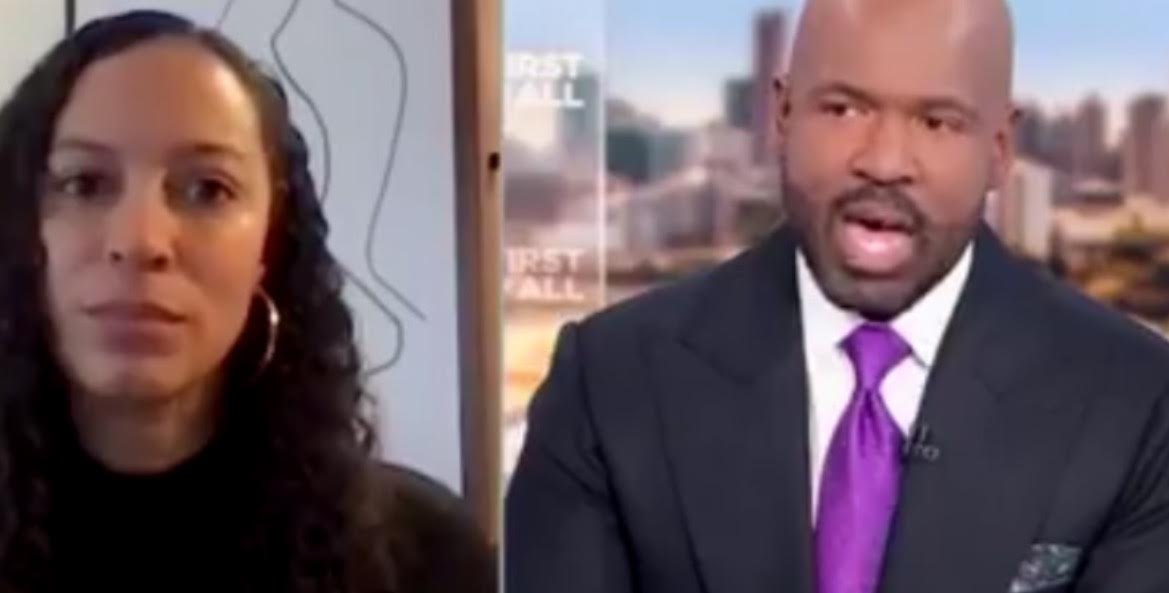

CNN commentator Angela Rye, known for her role on the ‘Native Land Pod,’ recently made headlines with her controversial remarks about white voters. She suggested that white individuals who choose not to support Kamala Harris should be held accountable for their decision. This statement raises eyebrows and questions about the strategy to win over a demographic that has historically leaned toward Republican candidates.
In the 2016 presidential election, data from an exit poll conducted by Edison Research for the National Election Pool revealed that 58% of white non-Hispanic voters favored Donald Trump over Hillary Clinton, who received only 37% of their votes. Fast forward to 2020, and similar patterns emerged; Roper Center for Public Opinion Research reported that Trump again led with 58% compared to Joe Biden’s 41% among this group. The Democratic Party appears increasingly desperate to shift these voting trends, especially as they rally behind Kamala Harris in the upcoming election.
Angela Rye emphasized what she perceives as a crucial responsibility resting on the shoulders of white voters. “What I think is a mistake is to let white folks escape the accountability that they must face for not showing up to save democracy themselves,” she stated. Her comments suggest that she believes it is primarily up to this demographic—white men and women—to ensure democratic values are upheld in America.
The pressure doesn’t stop there; black male voters are also facing unique challenges when it comes to supporting Kamala Harris. Recently, former President Barack Obama made headlines after he publicly admonished black men, urging them to vote for Harris. His remarks were intended as a call-to-action but have instead sparked backlash from some within the community.
The reaction was swift and intense, with many black men voicing their frustrations at Obama’s approach. They expressed feelings of being shamed into making a political choice rather than being encouraged through positive messaging or genuine outreach efforts from the campaign. This dynamic illustrates how both racial demographics are being targeted with different strategies in an attempt to secure votes for Harris.
The tension surrounding these discussions highlights a deeper issue within political campaigning today: how do parties effectively engage diverse voter bases without resorting to guilt or shame? As both Angela Rye and Barack Obama push their narratives, one thing remains clear—their methods are stirring strong reactions across various communities.
As we navigate through these complex conversations about race and voting in America, it’s important for readers like you to share your thoughts on these matters. How do you feel about the accountability rhetoric directed at white voters? What do you think about Obama’s comments aimed at black men? Join the conversation in the comment section below!