
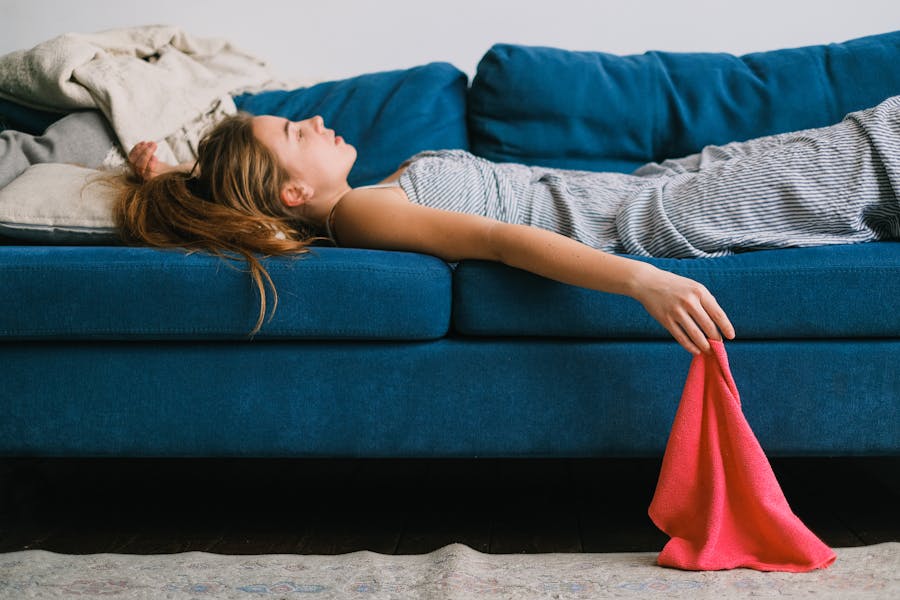

Imagine a day in the life of a typical stay-at-home girlfriend. It begins at 8 a.m. in an immaculate apartment, with her making the bed and preparing pancakes for her boyfriend before he heads off to work. After sipping on some green juice, she indulges in self-care activities like a private Pilates session and a microcurrent facial. Lunch is enjoyed with a friend at a trendy local eatery, followed by a leisurely walk while listening to her favorite podcast. As evening approaches, she starts getting ready for date night.
This is the picture-perfect image portrayed in numerous TikTok videos that glorify an idealized version of traditional marriage – minus the wedding ring but with an added touch of modern wellness trends.
The role of being a stay-at-home girlfriend (or SAHG) involves supporting your boyfriend through tasks like cooking and housekeeping, along with maintaining an intensive self-care routine to keep up appearances. This trend reflects Gen Z’s shift away from the mid-2000s “girlboss” hustle culture towards aspirations of leading a more relaxed lifestyle.
Kendel Kay, 26, who moved from Los Angeles to Puerto Rico to be a stay-at-home girlfriend for her then-boyfriend in 2022, described her life as “very slow and peaceful.” Her days were filled with extensive skincare routines and preparing breakfasts and juices.
However, this seemingly perfect portrayal of stay-at-home girlfriend culture doesn’t always reveal the full story. Alongside tales of fulfillment and relaxation are stories of breakups, professional struggles, boredom, and insecurity. It’s indeed an aesthetically pleasing lifestyle but is it truly fulfilling?
Many stay-at-home girlfriends argue that it is indeed fulfilling. Kay spoke positively about her time as a SAHG in Puerto Rico where she felt less stressed and was able to focus on self-improvement. Aliyah Wan, 26, who lives in Los Angeles with her boyfriend, believes that many women aspire to this lifestyle as it makes living in big cities more manageable financially.
However, critics argue that this lifestyle glamorizes financial dependency which can lead to financial abuse. They believe that financial independence is one of the best gifts one can give oneself.
Interestingly, most of these women have their own bank accounts which they supplement through income made from content creation such as affiliate links and brand deals. This reveals the irony of stay-at-home girlfriend content – while the videos depict a life of leisure, they often omit the reality of influencer hustling.
Despite being taken care of financially by their boyfriends, some stay-at-home girlfriends admit to feeling bored due to lack of things to do. Some even contemplate getting a 9-to-5 job.
The role of stay-at-home girlfriends is not without its risks. Without jobs, they miss out on opportunities to build their own financial futures. Moreover, if a breakup occurs or something happens to them, they have no legal recourse.
In conclusion, while the lifestyle of a stay-at-home girlfriend may seem appealing on the surface, it’s important to consider the potential downsides and risks associated with it.”