
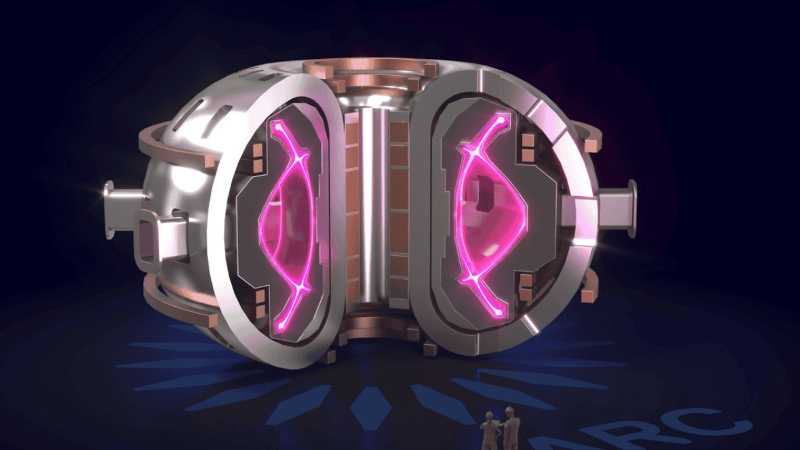

Commonwealth Fusion Systems (CFS) is making a bold move by investing billions of dollars into developing the world’s first commercial nuclear fusion power plant. If all goes according to plan, this groundbreaking facility could be connected to the electrical grid as early as the 2030s. However, obtaining regulatory approval might prove challenging, especially with concerns from the Pentagon about potential risks associated with fusion technology. The chosen site for this ambitious project is located in Richmond, Virginia.
Richmond is set to host what has been described as “the world’s first grid-scale nuclear fusion power plant.” This innovative design utilizes a “tokamak” approach, which differs from other experimental models that have explored more complex plasma configurations. CFS has gained recognition as one of the leading companies in fusion technology due to its achievements in reaching a critical milestone known as “ignition.” This term refers to the point at which a fusion reaction can sustain itself without external energy input.
The process of nuclear fusion begins with hydrogen, an abundant and clean resource. Once initiated, the reaction can continue on its own and even produce excess energy. CFS has faced significant challenges in creating a vessel capable of maintaining these reactions while generating surplus energy; however, they have successfully overcome these hurdles.
Once operational, the Richmond plant is projected to generate 400 megawatts of electricity—enough to power approximately 150,000 homes. CEO Bob Mumgaard emphasizes that progress in fusion energy does not happen overnight. To maximize efficiency, CFS plans to build their equipment at the site of an old coal plant, allowing them to utilize existing infrastructure for connecting to the grid.
Getting everything up and running will take time. Initially, they will operate using a pilot light until they can create “the superheated cloud of charged gas” necessary for fusion reactions. They anticipate achieving plasma ignition by 2026 and hope that shortly thereafter, they will start producing excess energy. Achieving optimal operating temperatures may take longer; however, their goal remains to connect to the grid by the early 2030s.
The decision to establish this facility in Richmond was based on several factors: its growing economy, skilled workforce, commitment to clean energy initiatives, and access to existing grid connections following the closure of a coal plant. In ten years’ time, Mumgaard believes that all eyes will be on Richmond as it becomes known as the birthplace of commercial fusion energy.
Another significant reason for selecting Virginia is its status as home to the largest data center market globally—a sector expected to triple its energy needs by the time this new fusion plant comes online. One major advantage of this technology is that it produces no harmful radioactive waste. If CFS successfully works out any initial issues with their first reactor, there could be thousands more built afterward.
As Commonwealth Fusion Systems pushes forward with this revolutionary project in Richmond, many are left wondering how it will reshape our understanding and use of clean energy moving into the future. What do you think about nuclear fusion? Share your thoughts in the comments section below!