
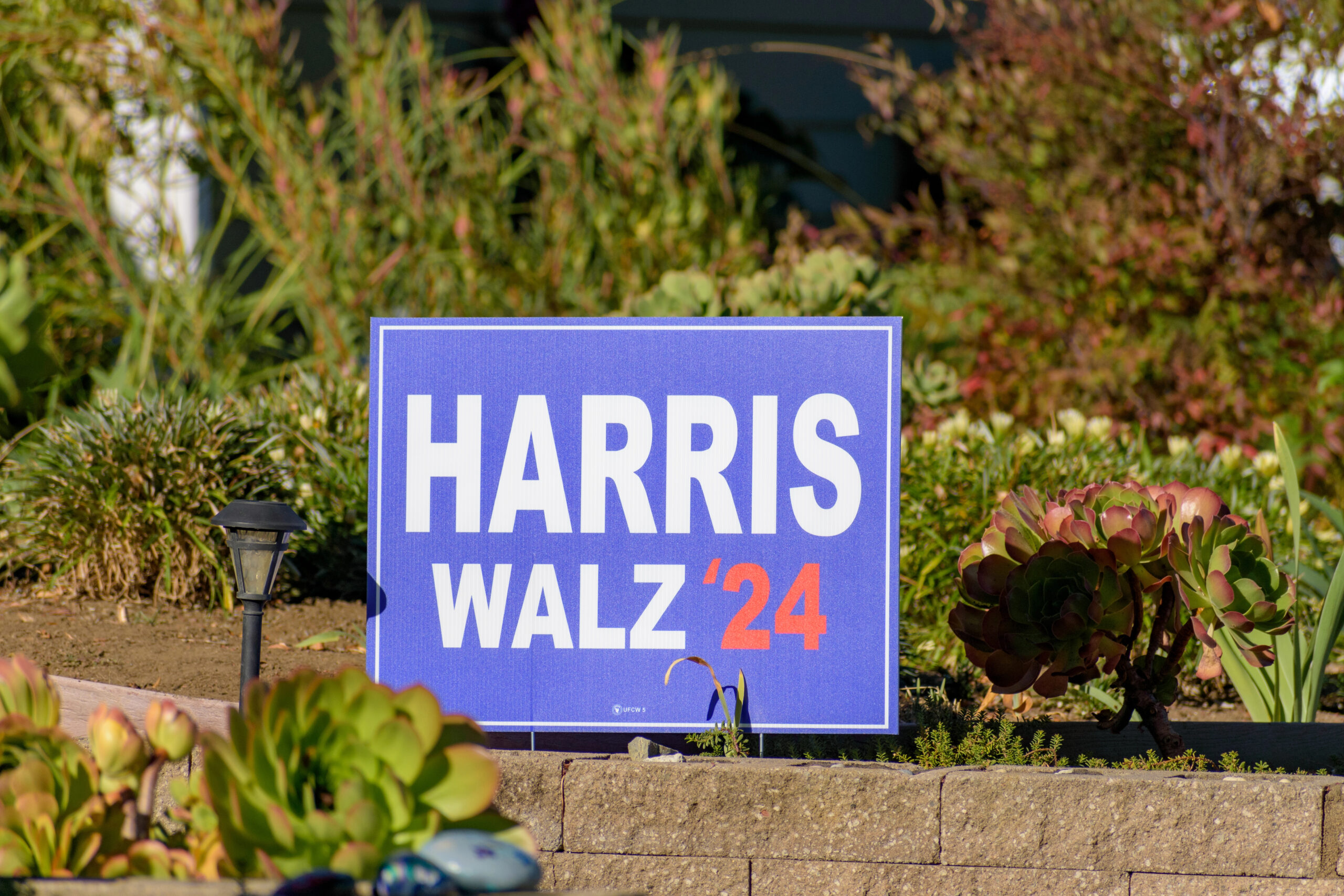

Kamala Harris’s supporters have recently found themselves in a surprising and unsettling situation. Across the nation, many received letters and postcards suggesting they would be “volunteering” to house migrant families. This unexpected outreach has left some feeling rattled, especially given the Democrats’ strong advocacy for open borders and humanitarian policies. It seems that when the issue hits home—quite literally—the enthusiasm for such policies may not be as robust as it appears.
In Shrewsbury, Massachusetts, one supporter was taken aback upon receiving what looked like a postcard from Harris’s campaign. When she turned it over, she was met with an astonishing message: a family of migrants from Nicaragua was scheduled to move into her home on October 30, 2024. The postcard even detailed specific needs for food and transportation for this family. The message read:
“Thank you for supporting Kamala! We are so appreciative of you putting out a yard sign. But now we need your continued help. We will be moving a family of 2 from the country of NICARAGUA into your home on 10/30/2024. They will need food, toiletries, and transportation. Thank you.”
This kind of direct approach has raised eyebrows among those who consider themselves advocates for migrant rights but may not be ready to take on such responsibilities personally.
In Fresno County, California, a similar situation unfolded where several households displaying “Harris-Walz” yard signs received letters indicating their homes had been chosen as “sanctuary residences” for illegal immigrants. Reports indicate these letters were multilingual—written in English, Spanish, and Arabic—and warned that if residents did not remove their yard signs, their homes would be designated as sanctuary locations for migrants.
Carole Laval, a local Democrat voter who received one of these letters, expressed her outrage over the incident. She noted that someone had driven through her neighborhood documenting addresses with Harris signs before sending out these intimidating letters. Laval stated emphatically that receiving such correspondence felt un-American since it infringed upon their right to free speech.
“I was angry,” said Michele Richtel, another registered Democrat who also received the letter but remained undeterred in her support for Harris’s campaign. “It’s not deterring me from taking down my signs; I came down here to buy more signs.” This sentiment reflects a broader concern about how political support can lead to unexpected consequences when it comes to community involvement in national issues like immigration.
The FBI and Fresno County Sheriff’s Office are currently investigating these incidents as they raise serious questions about privacy and safety in communities actively participating in political movements.
As these stories unfold across various states, they highlight the complexities surrounding immigration policies and local sentiments towards them. Supporters of open border policies often advocate passionately for helping those in need but may face discomfort when asked to personally shoulder that responsibility within their own homes.
What do you think about this situation? Should supporters of immigration reform prepare for direct involvement like this? Share your thoughts in the comment section below!