

Incoming Border Czar Tom Homan has taken a strong stance against Boston’s Democrat Mayor Michelle Wu after she declared that the city would not cooperate with the Trump administration’s plans for mass deportations. Homan, who is known for his tough approach to immigration issues, criticized Wu’s position as “misguided,” suggesting that her political decisions are jeopardizing public safety.
During a recent interview with WCVB, Mayor Wu made headlines by stating her commitment to resisting the federal government’s deportation efforts. Her comments come at a time when Boston and surrounding areas are facing an increase in illegal immigration. Reports indicate that some individuals with criminal records are being released back into local neighborhoods, raising concerns about safety among residents. According to Fox News, this situation has sparked widespread fear within the community.
Wu emphasized that elections have consequences and that no single city can change federal policies on its own. However, she argued that Boston can still play a role in protecting its residents from what she described as actions that create fear and disrupt the economy. “What we can do is make sure that we are doing our part to protect our residents in every possible way,” she stated during her interview. She expressed her desire for all members of the community—regardless of their immigration status—to feel safe accessing city services like schools and emergency assistance without fear of deportation.
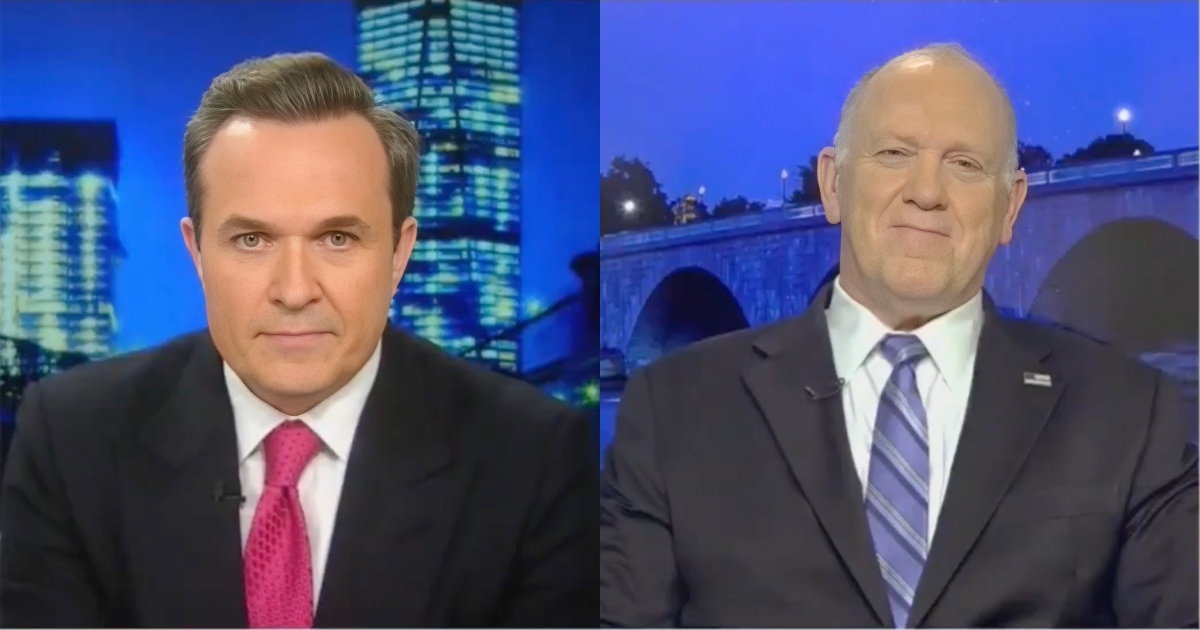
Homan wasted no time responding to Wu’s remarks. In an interview with Greg Kelly, he challenged her reasoning and warned of potential legal ramifications for her administration’s refusal to cooperate with federal law enforcement efforts. He bluntly stated, “Well, she’s not very smart, I’ll give her that,” referring to Wu’s decision-making process concerning public safety threats.
Homan continued by questioning why any mayor or governor would want to keep public safety threats in their communities. His message was clear: protecting citizens should be a top priority for local leaders. He urged Mayor Wu either to assist federal authorities or step aside because the enforcement actions will proceed regardless of her stance.
He also pointed out specific laws regarding immigration enforcement, referencing Title 8 of the United States Code which prohibits harboring illegal aliens. Homan cautioned Wu against crossing legal boundaries in her attempts to shield certain individuals from federal action.
The tension between local and federal authorities over immigration policy is not new but seems particularly pronounced now as cities grapple with rising numbers of undocumented immigrants amid calls for stricter enforcement measures from Washington D.C. Many argue that sanctuary policies put communities at risk while others believe they foster inclusivity and support for vulnerable populations.
As this debate unfolds across various American cities, it raises critical questions about how much power local governments should have when it comes to enforcing—or refusing to enforce—federal laws related to immigration. The divide between those who prioritize public safety through strict adherence to immigration laws and those who advocate for more compassionate approaches highlights a significant rift in American political discourse today.
With emotions running high on both sides of this issue, it remains essential for citizens to engage thoughtfully in these discussions. As events continue to develop around this contentious topic, readers are encouraged to share their thoughts below in the comment section!