
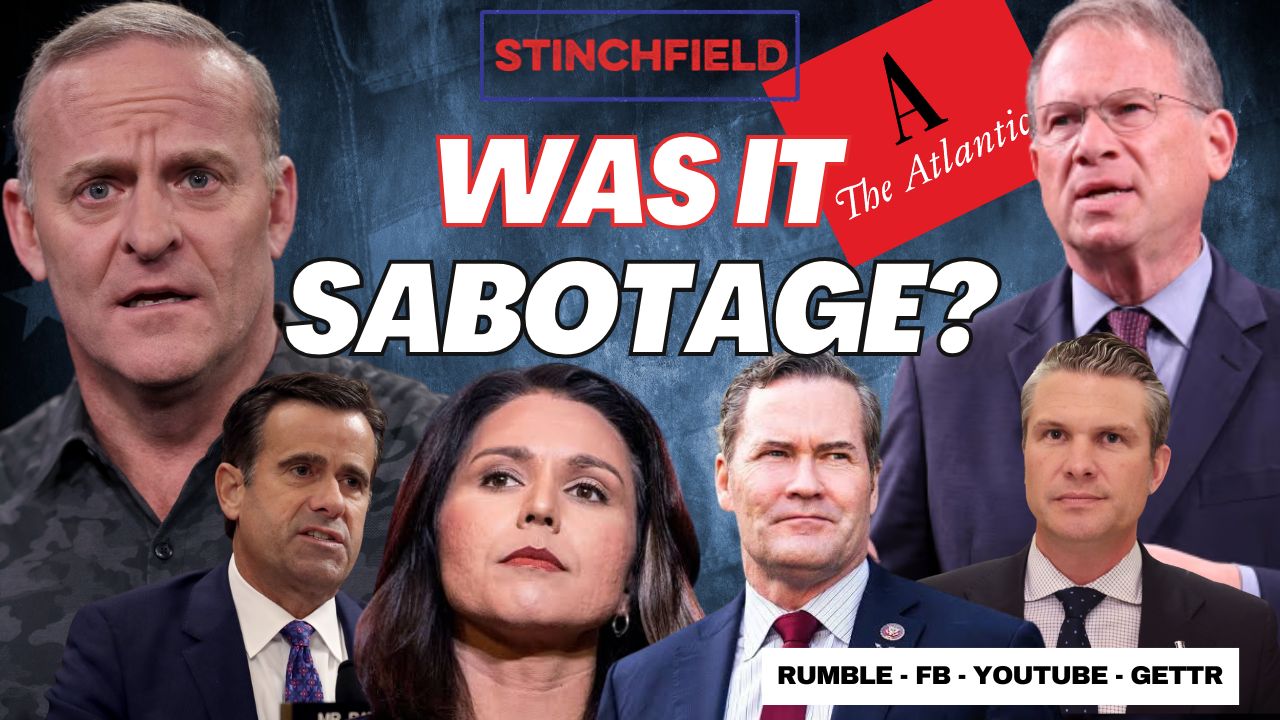

Jeffrey Goldberg, the editor-in-chief of The Atlantic and a noted critic of Donald Trump, has been unexpectedly linked to a Signal chat that included members of Trump’s national security team. This development has sparked considerable debate about how someone with Goldberg’s standing could end up in such an unexpected conversation.
Questions abound: “Was this an accidental blunder, or was it intentional?” Considering Goldberg’s well-known opposition to Trump and his role in publishing harsh criticisms, his appearance in this private exchange seems far from coincidental. The Atlantic has a history of critical reporting, including a 2020 article that controversially alleged Trump disparaged fallen soldiers, making it hard to imagine that his inclusion was merely a mistake.
Some observers suggest that this incident might not be a random error at all. Instead, it could be an act of internal sabotage—an intentional leak orchestrated by someone within Trump’s administration or the intelligence community. The possibility that a deliberate move was made to expose sensitive discussions or undermine Trump’s team raises important questions about who might benefit from creating such discord.
In today’s politically charged environment, the idea of internal leaks is not new, but this case is particularly striking given Goldberg’s profile and past criticisms. His unexpected presence in the Signal chat has led many to wonder if this was a carefully calculated maneuver designed to erode trust within the national security circle, or perhaps a clumsy misstep exposing internal vulnerabilities.
Adding to the intrigue, digital media content provides visual context to the unfolding story. !function(r,u,m,b,l,e){r._Rumble=b,r[b]||(r[b]=function(){(r[b]._=r[b]._||[]).push(arguments);if(r[b]._.length==1){l=u.createElement(m),e=u.getElementsByTagName(m)[0],l.async=1,l.src=”https://rumble.com/embedJS/uwuwcz”+(arguments[1].video?’.’+arguments[1].video:”)+”/?url=”+encodeURIComponent(location.href)+”&args=”+encodeURIComponent(JSON.stringify([].slice.apply(arguments))),e.parentNode.insertBefore(l,e)}})}(window, document, “script”, “Rumble”);
Rumble(“play”, {“video”:”v6p0vq2″,”div”:”rumble_v6p0vq2″});
Source: The Gateway Pundit. What do you think of these surprising developments? Please share your thoughts in the comment section below.