
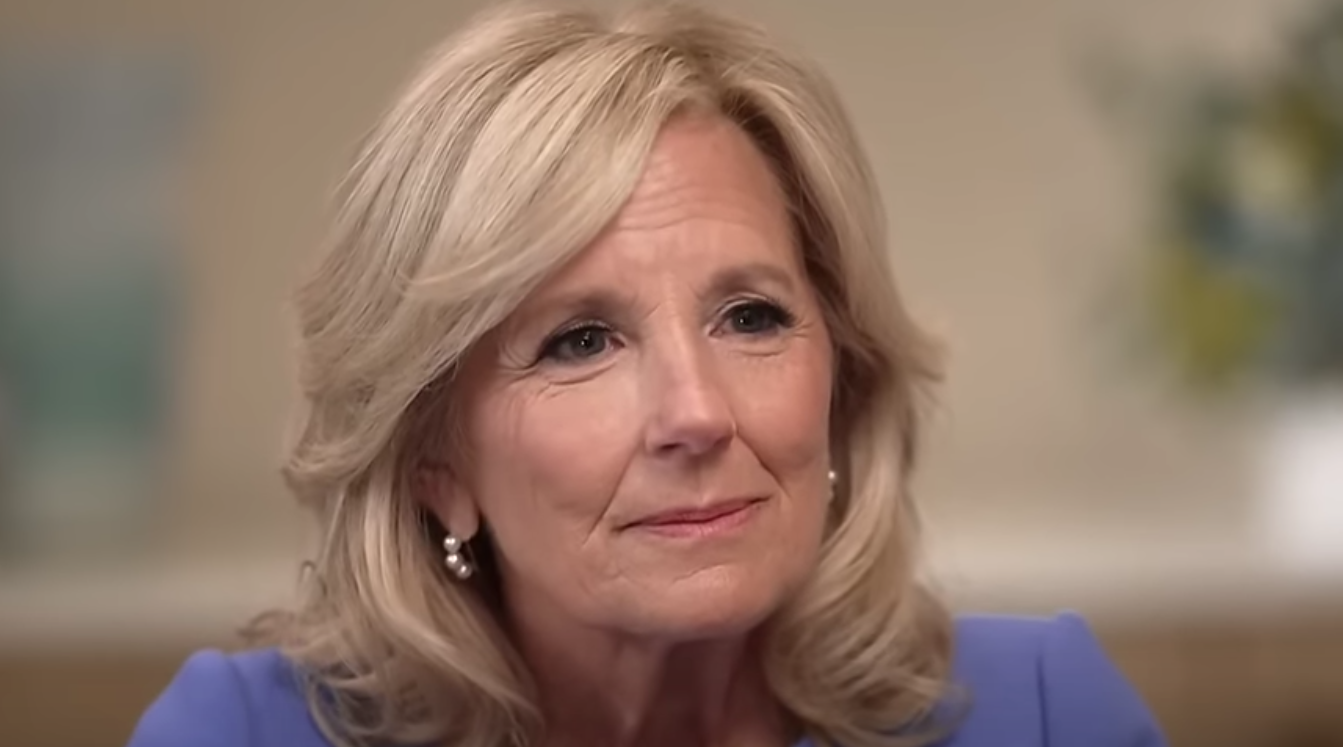

In the heart of Arizona, amidst what should have been a routine campaign speech, Jill Biden found herself at the center of a storm. The scene? A battleground not just for votes, but for the very soul of American foreign policy. As she took the stage, her words were met with a barrage of interruptions from anti-Israel protesters. It’s a vivid reminder, folks, that the Bidens’ stance on Israel isn’t just controversial—it’s incendiary to many.
While attempting to rally support, urging attendees to dive headfirst into campaign activities, she was met with accusations loud and clear: “You and your husband support the genocide of Palestinians.” It’s a heavy charge, one that echoes far beyond the confines of that event space. Jill Biden’s response? A call to arms for grassroots mobilization: “We’re going to talk to our friends about why this election is so important, tell them what’s at stake.”
But let’s not gloss over the elephant in the room here. This isn’t just about campaign disruptions; it’s a glaring spotlight on a contentious issue at Joe Biden’s doorstep. The pro-Israel stance adopted by his administration is more than just political positioning—it’s a litmus test for voters deeply concerned about Middle Eastern geopolitics.
The protesters didn’t let up. Even as some attendees tried to drown out their voices in support of Jill Biden, cries of “Free Palestine” pierced through attempts at resuming normalcy. These interruptions aren’t mere nuisances; they’re symptomatic of a broader discontent—a dissatisfaction that could spell trouble for Biden among key voter demographics.
And here’s where it gets even more interesting. Amidst these vocal protests lies an uncomfortable truth for the Bidens: their Middle East policies might not just be unpopular among their critics; they could be downright alienating potential supporters. With recent polls showing disapproval rates soaring high—61% disapproving of his job performance overall according to The New York Times—this episode isn’t merely an isolated incident; it’s emblematic of deeper issues plaguing Biden’s reelection bid.
So what does this all mean? For starters, it underscores the complex web of geopolitical allegiances and human rights concerns that any administration must navigate carefully. But more importantly, for conservative and Republican observers alike, it highlights a critical vulnerability in Biden’s armor—one that could very well influence the outcome of upcoming elections.
In essence, this isn’t just about who shouted what during a campaign speech; it’s about understanding the pulse of American voters and recognizing the potent mix of foreign policy stances and domestic approval ratings. As we dissect these events and their implications further, let’s remember—the political arena is seldom black and white; it’s replete with shades of gray that demand our nuanced understanding and critical analysis.