
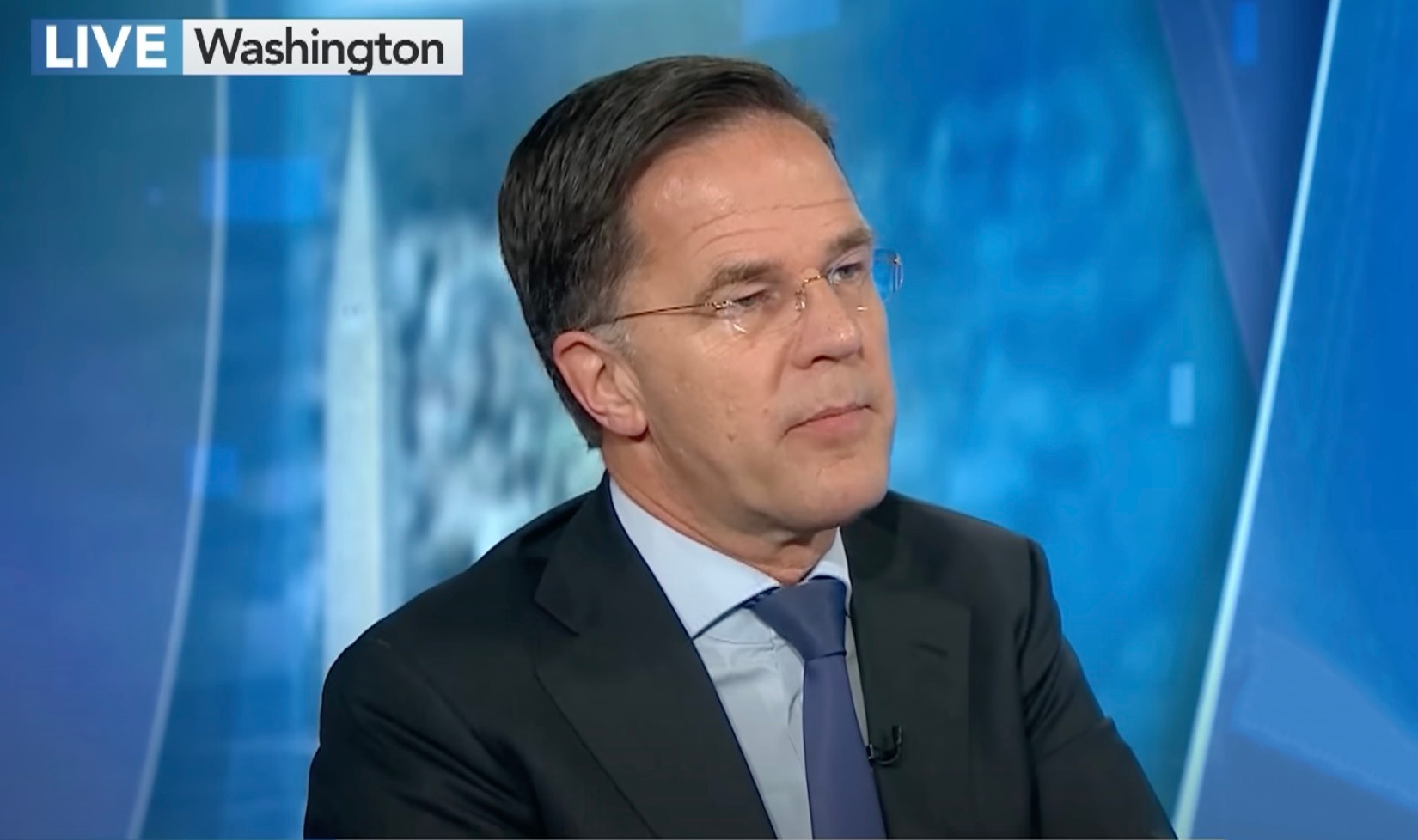

In today’s news cycle, there is fresh bad news for Ukraine as its long-held dream of joining NATO appears to be taking a significant hit. Recent developments indicate that Ukraine’s accession bid is no longer on the agenda—a decision that could have long-term impacts on Eastern European geopolitics and the balance of power in the region. NATO Secretary General Mark Rutte confirmed in a candid discussion with Bloomberg that Ukraine’s aspirations for NATO membership are now “off the table.” This declaration stemmed from discussions following a White House meeting between Rutte and former President Donald Trump, where an agreement was made to prioritize negotiations on a U.S.-brokered ceasefire in Ukraine. The decision has left Ukrainian leadership, particularly President Zelensky, facing fresh challenges as his efforts to align with Western allies seem to be fading away.
The dialogue between Rutte and journalists revealed that the focus of NATO is beginning to shift toward creating an environment for peace and stability. The emphasis now appears to be on preparing for an eventual normalization of relations with Russia once the conflict subsides. As part of these discussions, the process of reaching a durable peace deal is being highlighted as a necessary precursor to any further negotiations about security guarantees for Ukraine. The move to set aside Ukraine’s bid for NATO membership comes as a bitter pill, especially for a nation that has heavily invested its political capital in aligning with Western, specifically Biden-era, policies.
During an interview, when asked if former President Trump had essentially pulled Ukraine’s NATO bid off the table, Rutte replied with a blunt “Yes.” The conversation took an interesting turn as Rutte explained that any talk about maintaining peace would depend on first securing a clear and lasting ceasefire or a peace deal. The discussion touched on the complex balance that must be struck between managing tensions with Russia while ensuring that Ukraine receives the security assurances it demands. As Rutte stressed, until there is a concrete peace agreement, it remains premature to focus too much on discussions related to security mechanisms and post-peace processes.
Embedded within the interview were questions regarding NATO’s role if Ukraine achieved a peace deal. Annmarie Hordern pressed Rutte on whether the United States would provide security guarantees for Ukraine, to which he responded by emphasizing the necessity of first laying the groundwork for a lasting ceasefire. He acknowledged that while behind-the-scenes talks about maintaining peace would occur, the priority remains on securing a deal that prevents further aggression from President Putin’s Russia. “But there are many ways to do that,” Rutte noted, reinforcing that the focus needed to shift systematically from conflict resolution to long-term stability.
Inside the interview, discussions also emerged about the potential for future economic dealings with Russia. Despite his past interactions with President Putin, Rutte made it clear that any normalization of relations would be subject to Russia’s willingness to engage and negotiate earnestly. “I’m not there because first of all, you have to maintain the pressure on the Russians to make sure that they do whatever is necessary,” Rutte stated emphatically. While there is some hope that normal relations could eventually be restored, there is an understanding that such progress cannot come at the expense of secure boundaries and genuine commitment from all parties involved.
As these developments continue to unfold, the uncertainty facing Ukraine intensifies. The international community, particularly those who champion conservative values and strong national defense, will be watching closely as the dialogue between NATO, Ukraine, and Russia evolves. We want to hear your thoughts on this significant shift in international policy. Please share your comments in the comment section below.