
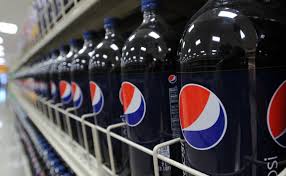

Once again, we find ourselves dealing with the fallout of a major corporation’s negligence. PepsiCo, a global leader in the beverage industry, has been forced to recall its Schweppes Zero Sugar Ginger Ale due to a gross mislabeling error. Despite being marketed as sugar-free, this drink was found to contain as much sugar as its regular counterpart. This is an outrageous deception that has affected consumers in Maryland, Pennsylvania, and West Virginia.
The recall was initiated in March and has impacted 233 cases of the beverage, equating to almost 5,600 cans. The U.S. Food and Drug Administration (FDA), who were informed about this issue by PepsiCo itself, have classified this as a ‘Class II’ recall. This means that while consumption might result in temporary or reversible health issues, the probability of serious adverse health consequences is considered remote.
The FDA announced this recall on their website and confirmed that the reason for the recall was indeed due to mislabeling. The product labeled as sugar-free actually contained full sugar – a fact discovered during an internal investigation conducted by PepsiCo.
The recalled product comes in 7.5-fluid-ounce cans sold in packs of 24 with specific codes (MAY20240520VS02164 and MAY20240550VS02164). Consumers who have bought these are advised to either dispose of them or return them for a refund.
Thankfully, there have been no reported adverse reactions or injuries from consuming this falsely labeled drink. However, the FDA has advised diabetics to approach this product with caution due to its sugar content. This is especially pertinent as PepsiCo’s Schweppes Zero Sugar Ginger Ale is often chosen by those managing diabetes because of its ‘sugar-free’ label.
The World Health Organization (WHO) recently released guidelines recommending against the use of non-sugar sweeteners (NSS) as a substitute for sugar. They suggest that artificial sweeteners may not be any better for controlling weight or reducing the risk of noncommunicable diseases (NCDs). Instead, they recommend natural sugar alternatives like fruit or unsweetened food and beverages.
This recall raises serious questions about the efficacy of non-sugar sweeteners in reducing sugar consumption. While this may be an isolated incident, it serves as a stark reminder for consumers to make informed decisions about their food and beverage choices. Both the FDA and WHO have warned about potential risks associated with long-term use of artificial sweeteners, including increased risk of type 2 diabetes, cardiovascular diseases, and mortality in adults.
PepsiCo has yet to comment on its use of non-sugar sweeteners in their products but has apologized for the labeling error and taken swift action to rectify the situation. I urge all consumers to read labels carefully and consult healthcare professionals before making significant dietary changes.”
Source: Red Right Daily