
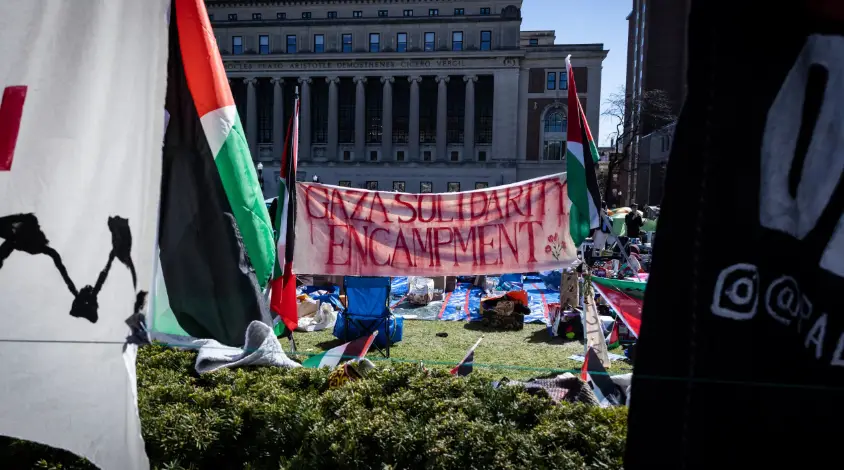

It’s crystal clear that actions have consequences, and those involved in recent pro-Hamas protests on college campuses nationwide may soon face the repercussions of their choices. Amidst a wave of arrests and suspensions, some protesters are audaciously seeking “amnesty”, hoping to dodge any fallout that might tarnish their future careers.
This issue was thrust into the spotlight when Maryam Alwan, a junior at Columbia University, was suspended after her arrest at the “Gaza Solidarity Encampment.” Alwan is not alone in this predicament; other students entangled in these protests are also staring down the barrel of disciplinary actions from their universities.
In response to these suspensions, students and faculty involved in the protests have been clamoring for “amnesty”. They argue that punishments like suspensions and potential legal records could cast a long shadow over their future lives and careers.
Despite their pleas, not everyone is buying this sob story. Critics argue that these students knew exactly what they were getting into when they decided to engage in illegal encampments and disruptions on campus.
Beyond this, international students caught up in the protests are quaking at the prospect of losing their visas. This has led an attorney from Palestine Legal to lodge a federal civil rights complaint against Columbia University, accusing them of turning a blind eye to discrimination against Palestinian students.
The penalties meted out by universities have also ignited debate, with critics calling for tougher repercussions for the protesters. They believe that actions such as setting up illegal encampments and harassing Jewish students merit more severe punishments, like expulsion.
Despite the gravity of the situation, some protesters appear to be expecting universities to roll out the red carpet for them. Craig Birckhead-Morton, a senior at Yale University, voiced his annoyance at the scant information provided following his arrest and is fretting over how it might affect his graduation and future academic plans.
It’s apparent that some of these protesters may feel entitled due to past instances of preferential treatment. This sense of privilege, coupled with a lack of comprehension about the consequences of their actions, may be fueling the current state of chaos.
As events continue to unfold, it’s uncertain how universities will navigate these disciplinary actions and whether or not they’ll cave in to demands for “amnesty”.
Source: Red Right Daily