
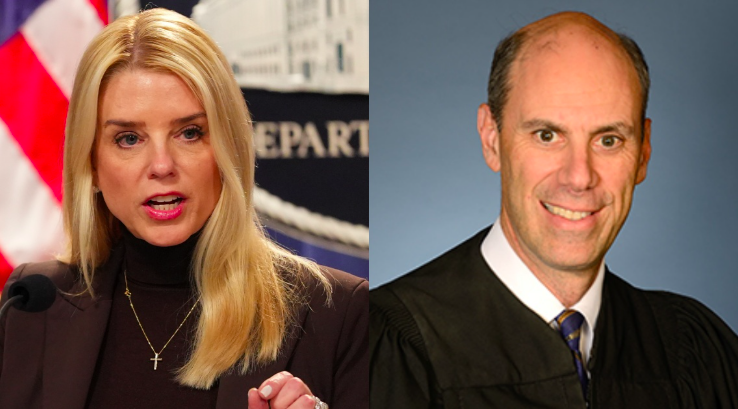

Attorney General Pam Bondi has taken a decisive step to protect our nation by filing an emergency motion with the U.S. Court of Appeals for the D.C. Circuit. Bondi’s goal is to overturn a temporary restraining order (TRO) issued by District Judge James E. “Jeb” Boasberg, an appointee of former President Barack Obama. The TRO currently prevents the deportation of individuals linked to the Venezuelan gang Tren de Aragua (TdA).
The controversy began when President Donald Trump invoked the Alien Enemies Act of 1798, a law that grants the president the authority to detain and deport nationals from countries considered hostile. The administration argues that the activities of TdA, a gang tied to the Venezuelan Maduro regime, represent a serious threat to American safety. This law, applied during times of conflict, is seen as a vital tool to remove dangerous elements from our country. Bondi and supporters contend that the actions of TdA, which include violent crimes, human trafficking, and drug smuggling, justify the use of this historic law to protect American citizens.
The issue took a dramatic turn when, just days after President Trump’s action, five anonymous Venezuelan plaintiffs—currently detained in Texas—filed a class-action complaint. They claimed that they could face wrongful deportation under the new directive. Their case brought attention to the unprecedented use of the Alien Enemies Act during peacetime. In response, Judge Boasberg issued a 14-day TRO to halt the deportations. Bondi fired back against this decision, labeling it an “outrageous overreach” and arguing that the judge lacked proper jurisdiction. She stressed that the TRO was issued without adequate evidence and without giving the government a chance to present its case.
Tren de Aragua has been described as a dangerous organization by the administration, functioning like a paramilitary group with close ties to the Maduro regime. The gang’s criminal activities have surfaced in various parts of the United States, and they have been involved in acts that raise clear concerns for public safety. The emergency motion references the murder of Laken Riley in Georgia in February 2024 as a stark reminder of the immediate danger posed by TdA operatives. This example is used to underline the urgency for the government to act decisively.
Supporters of President Trump’s approach to national security are critical of Judge Boasberg’s intervention. They view the TRO as a politically motivated attempt to hinder the legitimate efforts of the administration to enforce its policies. Many conservatives argue that when it comes to protecting our nation from foreign threats, the executive branch must be allowed enough flexibility to act quickly. They maintain that the Alien Enemies Act has historical roots in times of national peril and that its application in this situation is both justified and necessary.
Critics of the TRO also warn about the risks of delaying deportation orders. They point out that preventing the swift removal of individuals linked to dangerous organizations only serves to endanger American communities. The emergency motion seeks an immediate removal of the TRO, allowing the administration to move forward with deportations while legal challenges continue. The way this case unfolds could have lasting effects on the balance between the executive and judicial branches, especially in matters involving national security.
Throughout these legal proceedings, the administration continues to emphasize that protecting American lives is its top priority. The case also raises broader questions about the role of the judiciary in overseeing executive decisions during times of crisis. As these issues develop, the D.C. Circuit Court’s handling of Bondi’s motion will be closely monitored. Readers, please share your thoughts in the comment section below.