
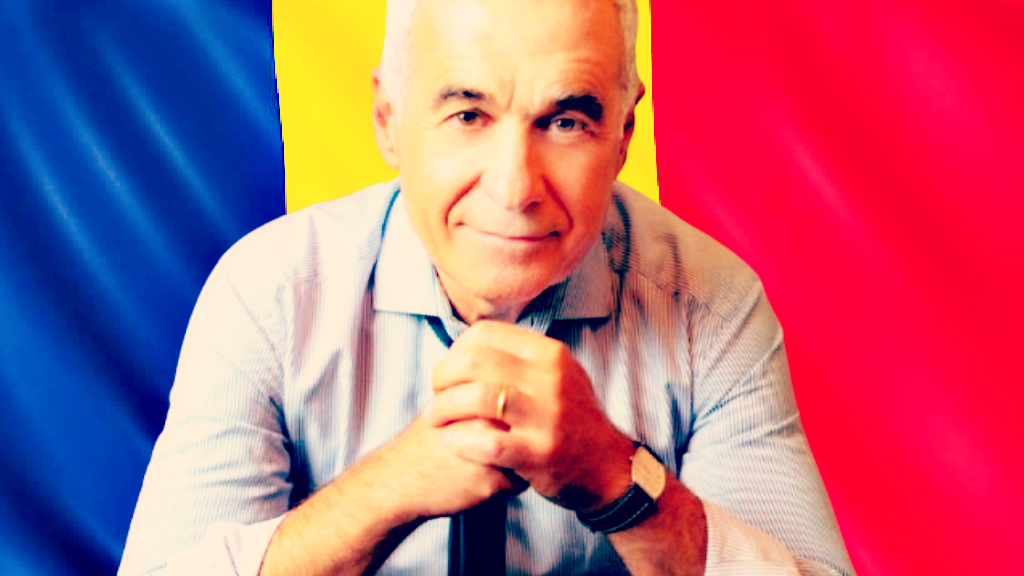

Romania has made headlines recently by annulling the results of its first round of presidential elections, citing interference from Russia as the primary reason. This decision came after right-wing candidate Calin Georgescu narrowly emerged as the frontrunner in a tightly contested race. As a result of this annulment, the scheduled run-off election has been canceled, leaving many to question the implications for democracy in Romania.
In a statement issued on Friday, Romania’s high court declared that “the electoral process for the election of the President of Romania will be resumed in its entirety,” indicating that a new date for presidential elections would be set soon. The court emphasized that this move is essential to maintain fairness and legality within the electoral framework. However, they did not provide detailed reasoning behind their decision at this time, which has left some observers puzzled about the motivations behind such a significant action.
The court’s ruling follows declassified information from recent meetings involving national security officials, which reportedly raised concerns about external influences on the electoral process. Fellow NATO allies may now find themselves needing to address how this situation aligns with their commitment to democratic principles. As political tensions rise within Romania, reactions have varied across the political spectrum.
Elena Lasconi, Georgescu’s centrist opponent who supports closer ties with the European Union, criticized the court’s decision vehemently. She accused it of “destroying” Romanian democracy and stated that it marked a troubling moment for governance in her country. In her remarks following the annulment, she expressed hope that “the truth and law will prevail” against what she perceives as an attack on democratic values.
Outgoing Prime Minister Marcel Ciolacu defended the court’s ruling by stating that it was necessary given evidence suggesting Russian intervention had distorted voting outcomes significantly. He argued that transparency and integrity must be prioritized to ensure public trust in future elections.
Calin Georgescu himself is an intriguing figure in Romanian politics—a right-wing nationalist who gained popularity through social media platforms like TikTok rather than traditional campaigning methods. His rise has been unsettling for many within both Romanian and broader European political establishments due to his outspoken criticism of major organizations like the European Union and United Nations. Georgescu has also made controversial claims regarding global elites and issues like climate change.
In a recent interview, he suggested that while organizations like the UN could play beneficial roles globally, they are instead manipulated by powerful individuals he refers to as oligarchs. He further asserted alarming statistics about child disappearances linked to these elites, claiming over eight million children go missing each year worldwide due to systemic issues tied to these figures.
This situation mirrors other global trends where conservative movements face challenges from established powers attempting to maintain control over political narratives and outcomes. For instance, similar tactics have been observed in Germany where intelligence agencies are working towards outlawing conservative parties under accusations of promoting extremism.
As events unfold in Romania and around Europe, many citizens are left wondering whether their democratic processes can withstand external pressures or internal machinations aimed at altering election results when unfavorable outcomes arise. The ongoing debates surrounding these developments highlight critical questions regarding sovereignty and integrity within national governance systems.
What do you think about Romania’s recent electoral developments? Share your thoughts in the comment section below!