

John Fetterman has been in the spotlight again, stirring conversation about the state of the Democratic party. In recent weeks, rumors swirled that Fetterman might jump ship to the Republican side. However, his actions have clearly shown that he is, in fact, a committed Democrat, as noted by The Gateway Pundit. The speculation about his political allegiance may fade, but his blunt take on the challenges facing his party remains fresh in our minds. He has a realistic view of what lies ahead for a party that many feel is losing touch with a key part of its voter base.
Fetterman’s appearance on the Tara Palmeri podcast shed light on these challenges. During the discussion, he was asked by Palmeri, “How do Democrats win back white men like yourself?” His response underlined deep-seated issues within the party. The transcript from the podcast is revealing:
“PALMERI: How do Democrats win back white men like yourself?
FETTERMAN: I don’t know. And truthfully, I’m not sure. I’m not sure if that’s possible, to be honest.
I think that’s been seriously eroding for for a while. And in some cases in the conversations I’ve had, a lot of people, they don’t even want to say it publicly, but they just feel like, you know, the other side seems like it’s it’s like men or that men’s the problem and are to blame or their their masculinity is toxic. Or if unless you’re able to conform to our very strict kinds of definition of what we think’s appropriate, well, then, hey, I’m just I’m going to find an alternative.
And they’ve done that. That’s that’s that’s absolutely true. And once we’ve kind of turned their back on that demographic, it’s going to be difficult to to rebuild and replace that with with with those voters, because I think that migration has been ongoing phenomenon for several years.
And that was been in front and center, you know, in part of the election in twenty four.”
This straightforward exchange gives us a clear glimpse into Fetterman’s mindset. He does not sugarcoat the harsh realities many Democrats face, particularly when it comes to appealing to white male voters. His remarks indicate that for several years, a significant portion of the population has felt pushed aside by a party that, in their view, places strict social expectations over traditions many hold dear. This friction, sparked by what some see as unwarranted criticism of traditional notions of masculinity, is a growing concern.
The ongoing voter migration is not a new topic, yet Fetterman’s willingness to address it publicly sets him apart from other voices in Democratic circles. It seems that while the party continues to champion progressive ideals, there is a disconnect with a portion of its base that values a more balanced conversation about identity and culture. The implications of this divide were touched on during the podcast, hinting at long-term challenges that could reshape electoral strategies in the coming years, especially as the party heads into crucial midterm and presidential elections.
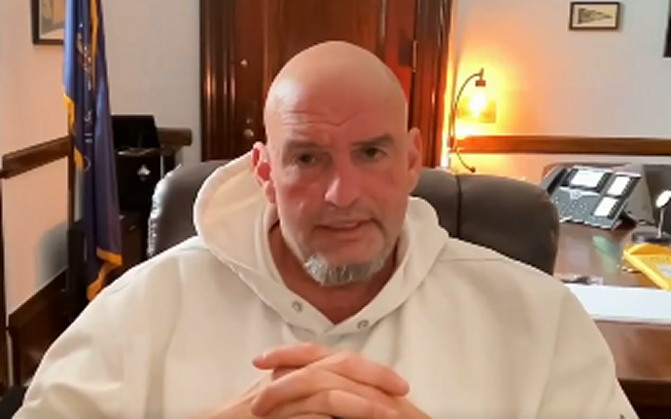
For those interested in seeing Fetterman’s interactions firsthand, the newsletter includes two tweet placeholders alongside the discussion. See the video below:
The bombshell dropped when Fetterman admitted the Democratic Party had fractured its relationship with white men so severely that he’s “not sure” if it’s possible that it can be repaired.
TARA PALMERI: “How do Democrats win back white men like yourself?”
JOHN FETTERMAN: “I… pic.twitter.com/tWUZgKn5BY
— The Vigilant Fox (@VigilantFox) February 7, 2025
This clip is also related. Watch:
Next came the burning question: why are voters abandoning the Democratic Party? Fetterman blamed the party’s “shaming and scolding,” including calling Trump supporters “fascists” and “dopes.”
He argued that this name-calling has caused them to “lose the argument”—and more… pic.twitter.com/bMqOEBYCqH
— The Vigilant Fox (@VigilantFox) February 7, 2025
Fetterman’s candid discussion serves as an important reminder that voters deserve honesty about the inner workings of political movements. His words underscore a broader debate about the direction of the Democratic party and the vital need to bridge gaps between different groups of voters. With the challenges his party faces becoming more apparent, Fetterman speaks to a viewpoint rarely echoed in mainstream conversations today. Readers are encouraged to share their reactions and thoughts on these insights in the comment section below.