

The situation in Syria is incredibly complex and requires careful consideration, especially for the United States as it contemplates its involvement. The Syrian civil war, which started in 2011, has transformed into one of the most devastating conflicts in modern history. What began as a straightforward clash between government forces and rebels has morphed into a tangled web of alliances, ethnic tensions, and geopolitical rivalries.
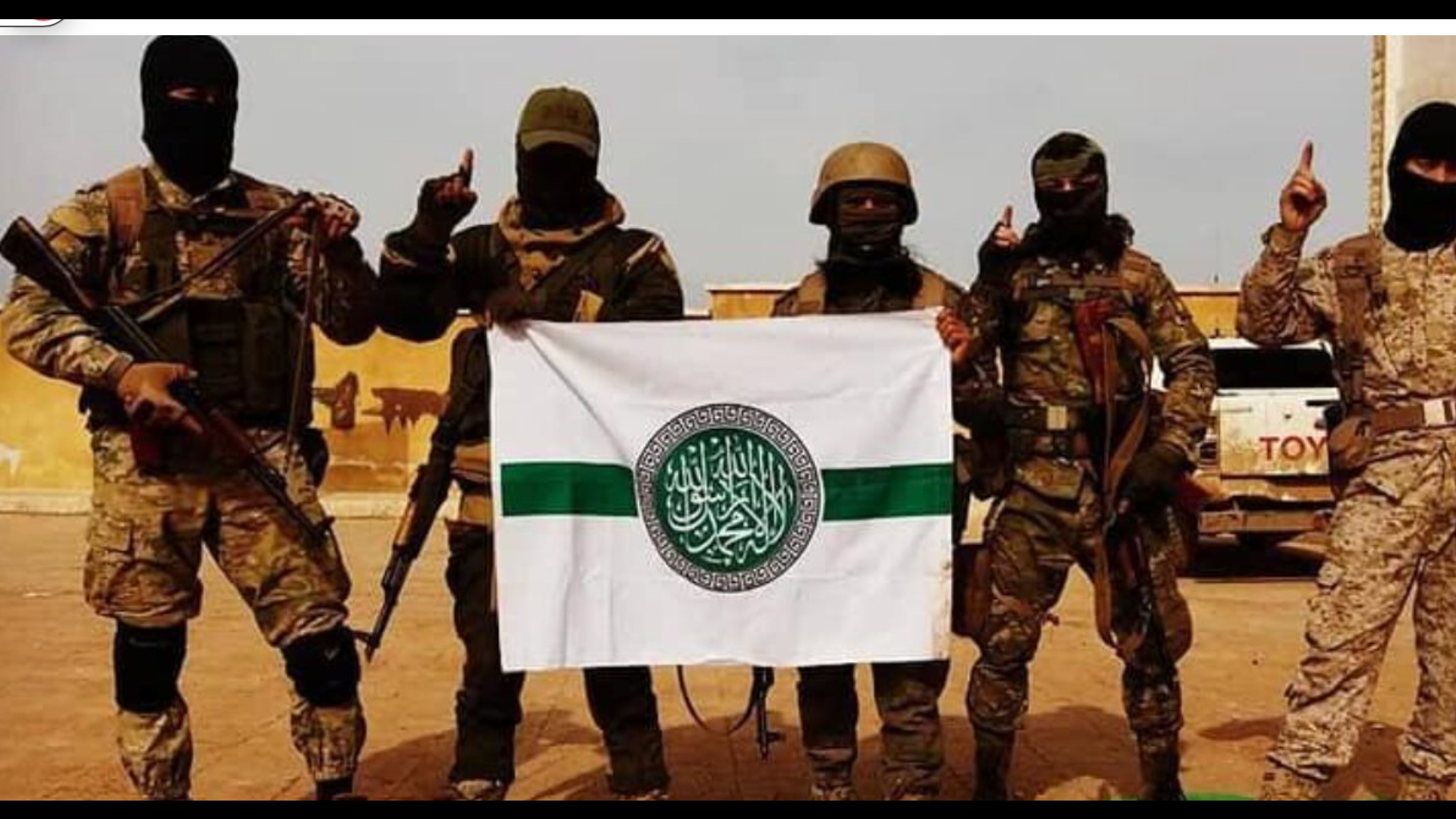
At the heart of this chaos is a multitude of actors with differing interests. On one side are the loyalists to President Bashar al-Assad, who have been supported by powerful allies such as Russia and Iran. On the opposing side stands a variety of rebel groups that not only fight against Assad but often find themselves clashing with each other. Among these groups are those backed by Turkey, like the Free Syrian Army (now called the Syrian National Army), and Hayat Tahrir al-Sham (HTS), which was once affiliated with al-Qaeda but now tries to position itself as a more moderate force.
Adding another layer to this conflict is the Kurdish-led Syrian Democratic Forces (SDF), which receive support from the United States primarily to combat ISIS. This diverse array of factions makes Syria a battleground for local, regional, and international players all pursuing their own agendas.
Russia’s role has changed significantly since Assad’s ousting. The country had long been a staunch ally of Assad but has recently reduced its military footprint in Syria. Russian troops have withdrawn from various locations, dismantling military equipment such as helicopters and air defense systems along the way. Following his removal from power, Assad sought refuge in Russia under President Vladimir Putin’s protection.
Iran also faces challenges due to Assad’s fall; it has seen its strategic influence wane in Syria—particularly regarding its land corridor vital for supplying Hezbollah—leading to some withdrawal of Iranian personnel from the region. Meanwhile, Israel continues to conduct airstrikes targeting Hezbollah weapon depots within Syria to prevent advanced arms transfers that could threaten its security.
Despite ongoing concerns about who will lead Syria next and whether stability can be achieved post-Assad, Israel remains cautiously optimistic about potential changes that could lead to a less hostile neighbor.
The U.S., while maintaining a limited troop presence mainly in eastern Syria for counter-ISIS operations and to curb Iranian influence, has largely refrained from deeper involvement in this multifaceted conflict. This cautious approach leaves many local allies feeling unsupported during critical moments.
Turkey plays an influential role among foreign actors involved in Syria’s turmoil. For years, it has supported opposition groups against Assad while seeing an opportunity to expand its influence in light of perceived threats to national security. Following Assad’s downfall, Turkey reopened its embassy and engaged diplomatically regarding future governance structures within Syria.
A significant motivator behind Turkey’s actions is its opposition to Kurdish forces like the SDF—which Ankara views as linked to the PKK or Kurdistan Workers’ Party—a group recognized as terrorist by Turkey and several Western nations due to its long-standing insurgency against Turkish authority seeking autonomy for Kurds within Turkey.
Fearing that control over northern regions by Kurdish forces could bolster separatist movements at home, Turkey has launched multiple military operations across its border since 2016 under the guise of establishing safe zones against these perceived threats. Turkish-backed fighters have captured considerable territories previously held by Kurdish forces including key areas like Afrin and parts around the Euphrates River.
Most recently, Turkish forces alongside SNA fighters seized control of Manbij from SDF troops further diminishing Kurdish authority there. However, this aggressive posture towards Kurdish groups has drawn criticism internationally—especially from Washington—where support for SDF was crucial during campaigns against ISIS.
Yet despite facing pushback on their tactics abroad, Turkey remains steadfastly committed to prioritizing domestic security concerns over external objections while aiming ultimately at thwarting any emergence of autonomous Kurdish entities that might inspire similar aspirations among Kurds living within Turkish borders.
Beyond military efforts aimed at countering Kurdish influence, Turkey also seeks to resettle millions of Syrian refugees currently residing within its borders into northern territories it controls inside Syria itself—a move framed as alleviating pressure on Turkish resources but criticized widely as demographic engineering likely exacerbating existing ethnic tensions amid ongoing strife throughout that region.
Each party involved holds distinct goals: while SNA operates under Turkish guidance targeting Kurdish elements directly; HTS strives towards consolidating power through distancing itself from extremist affiliations; meanwhile SDF governs an autonomous region aspiring greater recognition amidst struggles for legitimacy on both domestic & international stages alike.
Syria’s geographic significance places it squarely at crossroads linking Asia with Europe & Middle East making it pivotal ground contested fiercely by numerous powers vying for influence thereon—with Ankara particularly concerned about preventing establishment any form independent Kurdish state adjacent southern borderlands impacting national integrity directly thereafter.
Readers are encouraged to share their thoughts below!