
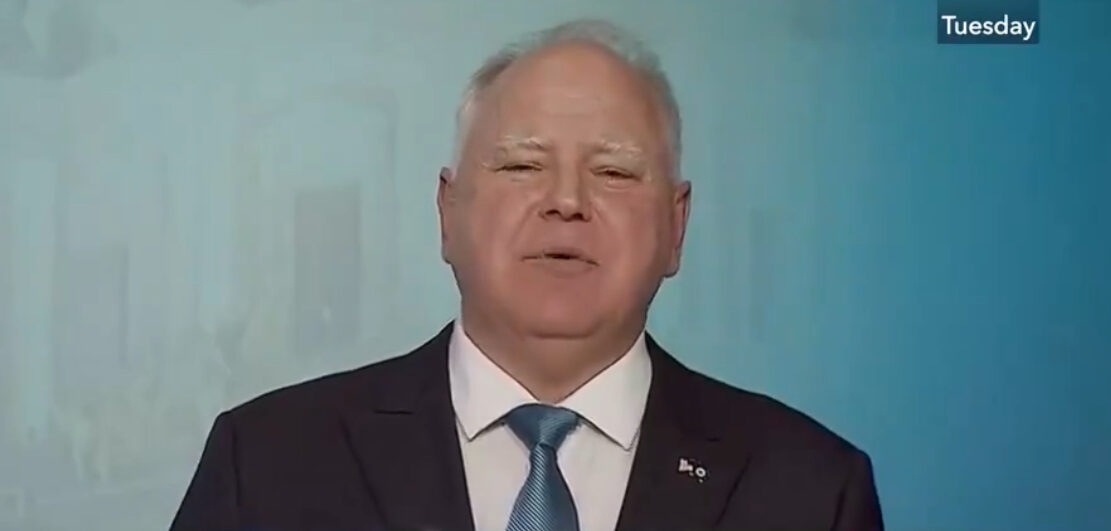

In a recent revelation, Minnesota Governor Tim Walz, who is also a Vice Presidential nominee, made headlines during his 2022 gubernatorial debate against Republican challenger Scott Jensen. In a moment that raised eyebrows, Walz proudly stated that Minnesota has “more refugees per capita than any other state.” He went on to assert that this influx is not just a moral obligation but essential for the economic and cultural future of the state. With 50 different languages spoken in Minnesota’s schools, he believes that this diversity is a vital part of America’s identity moving forward.
However, the implications of such statements are significant. Many people are left wondering what this means for American culture and identity. Is our future really about embracing cultures from around the world, even if it means replacing traditional American values? Some critics question whether this kind of diversity truly enriches communities or if it creates divisions and challenges that can lead to misunderstandings and social unrest.
The situation at the southern border has become increasingly complex under the Biden administration, with Kamala Harris appointed as Border Czar to address the root causes of illegal immigration. Yet, reports indicate that her efforts have led to an alarming rise in crime associated with illegal immigrants. Under her watch, over 13,000 murderers and 15,000 rapists have reportedly crossed into the United States, with many still roaming freely among us. Additionally, there are 425,000 convicted criminal illegal aliens currently residing in the country, with another 226,000 facing pending charges.
This raises serious concerns about safety and security in American communities. As more individuals enter the country without proper vetting, the potential for crime increases. The very idea of welcoming “beautiful diversity” becomes troubling when it includes those with violent pasts or criminal records. Critics argue that instead of creating a harmonious society, these policies may lead to increased fear and division among citizens.
Walz’s vision of Minnesota as a model of diversity may resonate with some, but it poses tough questions for others. What happens when local residents feel their safety is compromised? When they see their neighborhoods changing rapidly due to an influx of newcomers who may not share their language or customs? The debate over immigration often polarizes communities and stirs strong emotions on both sides.
It’s important to consider how these policies impact everyday Americans. For instance, many families worry about job security as they see competition increase from new arrivals willing to work for lower wages. This can create tension between established residents and newcomers striving to make a better life for themselves. The challenge lies in finding a balance between compassion for those seeking refuge and ensuring that American citizens feel safe and secure in their own homes.
Walz’s comments highlight a broader trend in American politics where leaders tout diversity as an unequivocal good without addressing the potential downsides. While celebrating differences can enrich society in many ways, it’s crucial to remain vigilant about the challenges that accompany rapid demographic changes.
As discussions about immigration continue to unfold across the nation, it’s clear that this issue will remain central to political debates leading up to upcoming elections. Citizens are encouraged to engage in these conversations and voice their perspectives on what they believe should be prioritized when it comes to immigration policy.
What do you think about Governor Walz’s approach? Do you believe that increasing refugee numbers will benefit or harm your community? Share your thoughts in the comment section below!