
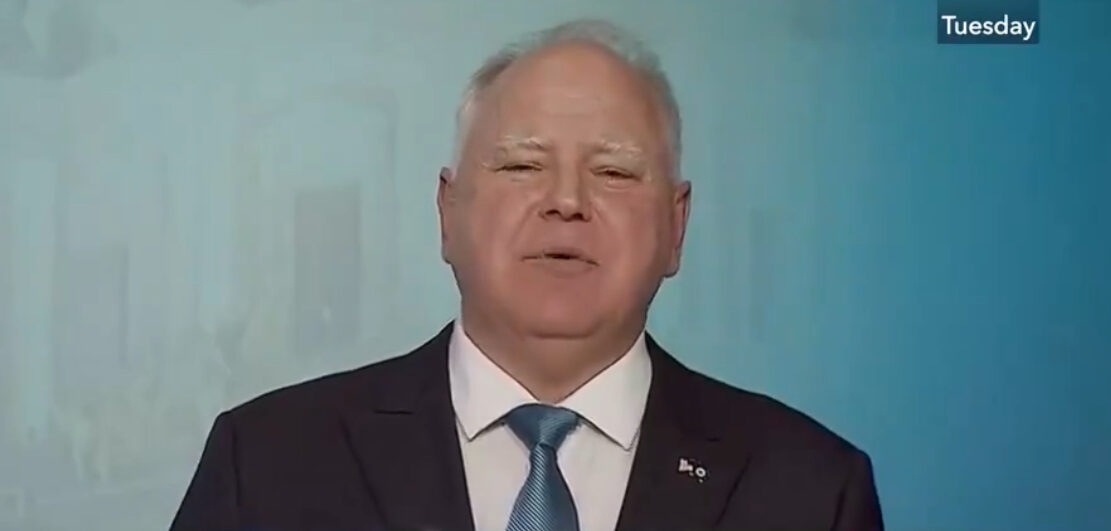

In a recent debate that caught the attention of many, Minnesota Governor Tim Walz, who is also running as a Vice Presidential nominee, made a bold statement during his 2022 gubernatorial face-off against Republican Scott Jensen. Walz proudly declared that Minnesota has “more refugees per capita than any other state.” This claim didn’t just stop at numbers; he emphasized that welcoming these refugees is not merely a moral duty but also crucial for the economic and cultural future of Minnesota.
Walz highlighted the rich tapestry of languages spoken in Minnesota’s schools—50 different languages, to be exact. He argued that this diversity is not just an aspect of life in Minnesota but a vital part of America’s identity as we move forward into an increasingly globalized world. The governor believes that embracing such diversity can lead to stronger communities and enhanced economic opportunities.
The conversation around immigration and refugee resettlement often stirs up strong feelings on both sides. Supporters argue that bringing in individuals from various backgrounds enriches society, while critics worry about the impacts on local resources and cultural cohesion. In this context, Walz’s comments have sparked discussions about what it means to be inclusive and how states can balance these complex issues.
Minnesota has long been known for its welcoming stance towards immigrants and refugees. Many families have found new beginnings in the state, contributing to its economy through hard work and innovation. Yet, as more people arrive seeking safety and opportunity, questions arise about how well communities can integrate newcomers without straining existing systems.
The governor’s remarks point to a broader trend seen across the nation where states are grappling with their identities amidst changing demographics. As cities become more diverse, they must navigate challenges like education, healthcare access, and job creation for both new arrivals and long-time residents alike.
Critics of high refugee intake often cite concerns over public services being overwhelmed or potential cultural clashes within communities. These fears are not unfounded; however, advocates argue that when managed properly, diversity can lead to vibrant communities where different perspectives foster creativity and resilience.
In light of these discussions, it’s essential for citizens to engage thoughtfully with these issues. Understanding both sides can help create dialogues that bridge gaps rather than widen them. It’s crucial for local leaders to communicate effectively with their constituents about how they plan to support both new arrivals and established residents.
As we reflect on Governor Walz’s statements regarding refugees in Minnesota, it’s important to consider what this means for our shared future. How do we ensure that everyone feels included? What policies should be implemented to support integration while respecting the needs of all community members?
These questions are vital as they shape our understanding of community dynamics in an ever-evolving society. Readers are encouraged to share their thoughts on this topic in the comment section below!
In a recent debate that turned heads across Minnesota, Governor Tim Walz made headlines with his bold assertion during the 2022 gubernatorial race against Republican challenger Scott Jensen. Walz confidently stated that Minnesota boasts “more refugees per capita than any other state.” His claim went beyond mere statistics; he insisted that welcoming these refugees is not just a moral obligation but also essential for the economic and cultural vitality of Minnesota.
The governor pointed to the impressive variety of languages spoken in Minnesota’s schools—an astounding 50 different languages. He argued that this diversity is more than just a characteristic of life in Minnesota; it represents a crucial element of America’s identity as we step into an increasingly interconnected world. According to Walz, embracing such diversity can lead to stronger communities and greater economic opportunities.
Discussions surrounding immigration and refugee resettlement often ignite passionate debates on both sides. Supporters argue that integrating individuals from diverse backgrounds enriches society, while critics express concerns about potential strains on local resources and cultural unity. Within this framework, Walz’s remarks have sparked important conversations about inclusivity and how states can effectively navigate these complex issues.
Minnesota has earned a reputation for its welcoming attitude toward immigrants and refugees. Countless families have discovered new beginnings in the state, contributing to its economy through hard work and creativity. Yet, as more individuals seek safety and opportunity by moving here, questions inevitably arise regarding how well communities can integrate newcomers without overburdening existing systems.
Walz’s comments highlight a broader trend seen throughout the nation where states are wrestling with their identities amid shifting demographics. As cities grow more diverse, they face challenges related to education, healthcare access, and job creation for both new arrivals and long-time residents alike.
Critics of high levels of refugee intake often voice concerns about public services becoming overwhelmed or potential cultural clashes within neighborhoods. While these fears are not without merit, advocates maintain that when diversity is managed effectively, it can foster vibrant communities where differing perspectives promote creativity and resilience.
Given these ongoing discussions, it’s crucial for citizens to engage thoughtfully with these issues. Understanding multiple viewpoints can help facilitate dialogues that bridge divides rather than exacerbate them. Local leaders play an essential role in communicating with their constituents about how they plan to support both newcomers and established residents alike.
As we consider Governor Walz’s statements regarding refugees in Minnesota, it’s vital to reflect on what this means for our collective future. How do we ensure everyone feels included? What policies should be put in place to support integration while honoring the needs of all community members?
These questions are significant as they influence our understanding of community dynamics in an ever-evolving society. The implications of such statements reach far beyond individual experiences; they touch upon core aspects of American culture and identity itself. Is our future truly about embracing cultures from around the globe at the expense of traditional American values? Some critics worry whether this kind of diversity genuinely enriches communities or if it creates divisions leading to misunderstandings or even social unrest.
Engaging with these topics requires careful consideration from all sides involved. Readers are encouraged to share their thoughts on this topic in the comment section below!
In recent discussions about immigration and its impact on communities, a notable figure has emerged in the spotlight: Vice President Kamala Harris. Appointed as the Border Czar under the Biden administration, her role is to tackle the root causes of illegal immigration. However, as she navigates this complex situation, reports have surfaced that raise serious concerns about crime rates associated with illegal immigrants. Alarmingly, it’s been reported that more than 13,000 individuals with murder convictions and around 15,000 convicted rapists have entered the United States during her tenure. This troubling statistic paints a stark picture of the challenges facing our nation today.
As these numbers suggest, there is an ongoing struggle to manage not only border security but also public safety. Currently, there are approximately 425,000 convicted criminal illegal aliens living within our borders. Additionally, another 226,000 individuals are reportedly facing pending charges for various offenses. This situation prompts a deeper examination of how immigration policies affect both newcomers and established citizens alike.
Supporters of more lenient immigration policies often argue that many immigrants come seeking better lives and contribute positively to society. They emphasize stories of hard-working families who enrich their communities through labor and cultural exchange. Yet critics caution against overlooking the potential dangers posed by those who enter illegally with criminal backgrounds or intentions.
The debate surrounding immigration is multifaceted and deeply emotional for many Americans. On one side lies a commitment to humanitarian values—welcoming those fleeing violence or persecution—and on the other side rests a pressing concern for national security and community safety. As cities across America grapple with rising crime rates in certain areas linked to illegal immigration, residents find themselves caught between these two powerful narratives.
In Minnesota specifically, Governor Tim Walz recently made headlines by asserting that his state welcomes “more refugees per capita than any other state.” He framed this acceptance not just as a moral duty but also as vital for Minnesota’s economic growth and cultural richness. With over 50 languages spoken in schools throughout the state, Walz argued that this diversity reflects America’s identity in an increasingly interconnected world.
However, while such diversity can foster creativity and resilience within communities when managed well, it can also lead to tensions if integration efforts fall short or if resources become stretched thin. The challenge lies in finding ways to support both newcomers seeking refuge from hardship and long-time residents who may feel their needs are being overlooked.
Critics often voice fears regarding overwhelmed public services or cultural clashes arising from rapid demographic changes in neighborhoods. These concerns are valid; they highlight real challenges faced by local governments trying to balance diverse populations while ensuring safety and stability for all citizens.
Amidst these discussions about immigration policy at both state and national levels, it’s essential for citizens to engage thoughtfully with differing perspectives on these issues. Open dialogue can help bridge divides rather than deepen them—a crucial step toward fostering understanding among people from various backgrounds.
Local leaders play an important role here too; they must communicate effectively about how they plan to support all members of their communities—both new arrivals looking for opportunities and existing residents concerned about their futures amid changing demographics.
As we reflect on statements made by figures like Governor Walz regarding refugee resettlement alongside concerns raised about crime linked to illegal immigration under Vice President Harris’s oversight at the southern border, several questions arise: How do we ensure everyone feels included? What measures should be taken to facilitate integration without compromising public safety?
These inquiries hold significant weight as they shape our understanding of community dynamics within an evolving society marked by increasing diversity yet challenged by fears surrounding security issues tied directly back into conversations around immigration policy itself.
Engaging thoughtfully with these topics requires careful consideration from all sides involved—something that remains critical as we navigate this complicated landscape together moving forward into uncertain times ahead! Readers are encouraged to share their thoughts on this topic in the comment section below!
In the ongoing conversation about immigration and its effects on American communities, Vice President Kamala Harris has taken center stage. As the Border Czar for the Biden administration, her mission is to address the root causes of illegal immigration. However, recent reports have surfaced that raise alarming questions about crime rates linked to illegal immigrants during her time in office. Disturbingly, it has been reported that over 13,000 individuals with murder convictions and approximately 15,000 convicted rapists have entered the United States since she assumed her role. These statistics reveal significant challenges that our nation must confront.
The numbers indicate a complex struggle not only with border security but also with public safety. Currently, there are around 425,000 convicted criminal illegal aliens residing within our borders. In addition to this troubling figure, another 226,000 individuals reportedly face pending charges for various offenses. This situation compels us to closely examine how immigration policies impact both newcomers and established citizens.
Supporters of more lenient immigration policies often highlight the positive contributions many immigrants make as they seek better lives. They share inspiring stories of hardworking families who enrich their communities through labor and cultural exchange. Yet critics warn against ignoring the potential dangers posed by those entering illegally with criminal histories or harmful intentions.
The debate surrounding immigration is deeply emotional and multifaceted for many Americans. On one hand lies a commitment to humanitarian values—welcoming those fleeing violence or persecution—and on the other rests an urgent concern for national security and community safety. As crime rates rise in certain areas linked to illegal immigration, residents find themselves navigating these two powerful narratives.
In Minnesota specifically, Governor Tim Walz recently made headlines by proclaiming that his state welcomes “more refugees per capita than any other state.” He framed this acceptance as not just a moral obligation but also essential for Minnesota’s economic growth and cultural richness. With over 50 languages spoken in schools throughout the state, Walz argued that this diversity reflects America’s identity in a world that is increasingly interconnected.
However, while such diversity can enhance creativity and resilience within communities when managed effectively, it can also create tensions if integration efforts fall short or if resources become stretched thin. The challenge lies in finding ways to support both newcomers seeking refuge from hardship and long-time residents who may feel their needs are being overlooked.
Concerns about overwhelmed public services or cultural clashes arising from rapid demographic changes are frequently voiced by critics. These fears are valid; they underscore real challenges faced by local governments trying to balance diverse populations while ensuring safety and stability for all citizens.
As discussions about immigration policy unfold at both state and national levels, it’s crucial for citizens to engage thoughtfully with differing perspectives on these issues. Open dialogue can bridge divides rather than deepen them—a vital step toward fostering understanding among people from various backgrounds.
Local leaders play an important role here too; they must communicate effectively about how they plan to support all members of their communities—both new arrivals looking for opportunities and existing residents concerned about their futures amid changing demographics.
Reflecting on statements made by figures like Governor Walz regarding refugee resettlement alongside concerns raised about crime linked to illegal immigration under Vice President Harris’s oversight at the southern border leads us to several important questions: How do we ensure everyone feels included? What measures should be taken to facilitate integration without compromising public safety?
These inquiries carry significant weight as they shape our understanding of community dynamics within an evolving society marked by increasing diversity yet challenged by fears surrounding security issues tied directly back into conversations around immigration policy itself.
Engaging thoughtfully with these topics requires careful consideration from all sides involved—something critical as we navigate this complicated landscape together moving forward into uncertain times ahead! Readers are encouraged to share their thoughts on this topic in the comment section below!
In the ongoing dialogue about immigration and its impact on American communities, Vice President Kamala Harris has emerged as a prominent figure. Serving as the Border Czar for the Biden administration, her primary goal is to tackle the root causes of illegal immigration. However, recent reports have raised serious concerns regarding crime rates associated with illegal immigrants during her tenure. Alarmingly, it has been reported that over 13,000 individuals with murder convictions and around 15,000 convicted rapists have entered the United States since she took office. These figures highlight significant challenges that our nation must address.
The statistics reveal a complex struggle not only with border security but also with public safety. Currently, there are approximately 425,000 convicted criminal illegal aliens living within our borders. Adding to this troubling reality, another 226,000 individuals reportedly face pending charges for various offenses. This situation urges us to closely examine how current immigration policies affect both newcomers and established citizens alike.
Advocates of more lenient immigration policies often emphasize the positive contributions many immigrants make as they strive for better lives. They share inspiring stories of hardworking families who enrich their communities through labor and cultural exchange. However, critics caution against overlooking potential dangers posed by those entering illegally with criminal histories or harmful intentions.
The debate surrounding immigration is deeply emotional and multifaceted for many Americans. On one side lies a commitment to humanitarian values—welcoming those fleeing violence or persecution—and on the other rests an urgent concern for national security and community safety. As crime rates rise in certain areas linked to illegal immigration, residents find themselves navigating these two powerful narratives.
In Minnesota specifically, Governor Tim Walz recently made headlines by declaring that his state welcomes “more refugees per capita than any other state.” He framed this acceptance as not just a moral obligation but also essential for Minnesota’s economic growth and cultural richness. With over 50 languages spoken in schools throughout the state, Walz argued that this diversity reflects America’s identity in an increasingly interconnected world.
However, while such diversity can enhance creativity and resilience within communities when managed effectively, it can also lead to tensions if integration efforts fall short or if resources become strained. The challenge lies in finding ways to support both newcomers seeking refuge from hardship and long-time residents who may feel their needs are being overlooked.
Concerns about overwhelmed public services or cultural clashes arising from rapid demographic changes are frequently voiced by critics. These fears are valid; they underscore real challenges faced by local governments trying to balance diverse populations while ensuring safety and stability for all citizens.
As discussions about immigration policy unfold at both state and national levels, it’s crucial for citizens to engage thoughtfully with differing perspectives on these issues. Open dialogue can bridge divides rather than deepen them—a vital step toward fostering understanding among people from various backgrounds.
Local leaders play an important role here too; they must communicate effectively about how they plan to support all members of their communities—both new arrivals looking for opportunities and existing residents concerned about their futures amid changing demographics.
Reflecting on statements made by figures like Governor Walz regarding refugee resettlement alongside concerns raised about crime linked to illegal immigration under Vice President Harris’s oversight at the southern border leads us to several important questions: How do we ensure everyone feels included? What measures should be taken to facilitate integration without compromising public safety?
These inquiries carry significant weight as they shape our understanding of community dynamics within an evolving society marked by increasing diversity yet challenged by fears surrounding security issues tied directly back into conversations around immigration policy itself.
Engaging thoughtfully with these topics requires careful consideration from all sides involved—something critical as we navigate this complicated landscape together moving forward into uncertain times ahead! Readers are encouraged to share their thoughts on this topic in the comment section below!
Walz’s vision of Minnesota as a model of diversity may resonate with some but raises tough questions for others. What happens when local residents feel their safety is compromised? When they see their neighborhoods changing rapidly due to an influx of newcomers who may not share their language or customs? The debate over immigration often polarizes communities and stirs strong emotions on both sides.
In the ongoing conversation about immigration and its effects on American communities, Vice President Kamala Harris has taken a central role as the Border Czar for the Biden administration. Her main focus is to address the root causes of illegal immigration. Yet, troubling reports have surfaced regarding crime rates linked to illegal immigrants during her time in office. Alarmingly, over 13,000 individuals with murder convictions and approximately 15,000 convicted rapists have entered the United States since she assumed her position. These numbers underscore significant challenges that our nation must confront.
The statistics paint a complicated picture of not only border security but also public safety. Currently, around 425,000 convicted criminal illegal aliens are residing within our borders. To make matters worse, another 226,000 individuals reportedly face pending charges for various offenses. This reality compels us to take a closer look at how current immigration policies impact both newcomers and long-standing citizens alike.
Supporters of more lenient immigration policies often highlight the positive contributions many immigrants bring as they pursue better lives. They share inspiring stories of hardworking families who enrich their communities through labor and cultural exchange. However, critics warn against ignoring potential dangers posed by those entering illegally with criminal backgrounds or harmful intentions.
The debate surrounding immigration evokes strong emotions for many Americans. On one side lies a commitment to humanitarian values—welcoming those fleeing violence or persecution—and on the other rests an urgent concern for national security and community safety. As crime rates rise in certain areas connected to illegal immigration, residents find themselves grappling with these two powerful narratives.
In Minnesota specifically, Governor Tim Walz recently made headlines by stating that his state welcomes “more refugees per capita than any other state.” He framed this acceptance as not just a moral obligation but also essential for Minnesota’s economic growth and cultural richness. With over 50 languages spoken in schools across the state, Walz argued that this diversity reflects America’s identity in an increasingly interconnected world.
However, while such diversity can enhance creativity and resilience within communities when managed well, it can also lead to tensions if integration efforts fall short or if resources become strained. The challenge lies in finding ways to support both newcomers seeking refuge from hardship and long-time residents who may feel their needs are being overlooked.
Concerns about overwhelmed public services or cultural clashes arising from rapid demographic changes are frequently voiced by critics. These fears are valid; they highlight real challenges faced by local governments trying to balance diverse populations while ensuring safety and stability for all citizens.
As discussions about immigration policy unfold at both state and national levels, it’s crucial for citizens to engage thoughtfully with differing perspectives on these issues. Open dialogue can bridge divides rather than deepen them—a vital step toward fostering understanding among people from various backgrounds.
Local leaders play an important role here too; they must communicate effectively about how they plan to support all members of their communities—both new arrivals looking for opportunities and existing residents concerned about their futures amid changing demographics.
Reflecting on statements made by figures like Governor Walz regarding refugee resettlement alongside concerns raised about crime linked to illegal immigration under Vice President Harris’s oversight at the southern border leads us to several important questions: How do we ensure everyone feels included? What measures should be taken to facilitate integration without compromising public safety?
These inquiries carry significant weight as they shape our understanding of community dynamics within an evolving society marked by increasing diversity yet challenged by fears surrounding security issues tied directly back into conversations around immigration policy itself.
Engaging thoughtfully with these topics requires careful consideration from all sides involved—something critical as we navigate this complicated landscape together moving forward into uncertain times ahead! Readers are encouraged to share their thoughts on this topic in the comment section below!
Walz’s vision of Minnesota as a model of diversity may resonate with some but raises tough questions for others. What happens when local residents feel their safety is compromised? When they see their neighborhoods changing rapidly due to an influx of newcomers who may not share their language or customs? The debate over immigration often polarizes communities and stirs strong emotions on both sides.
It’s crucial to consider how these policies affect everyday Americans too. Many families worry about job security as competition increases from new arrivals willing to work for lower wages. This situation can create tension between established residents and newcomers striving for better lives. The challenge lies in striking a balance between compassion for those seeking refuge and ensuring that American citizens feel safe and secure in their own homes.
In the ongoing discussion about immigration and its impact on American communities, Vice President Kamala Harris has emerged as a key figure, serving as the Border Czar for the Biden administration. Her primary goal is to tackle the root causes of illegal immigration. However, concerning reports have surfaced regarding crime rates associated with illegal immigrants during her tenure. Since she took office, over 13,000 individuals with murder convictions and around 15,000 convicted rapists have entered the United States. These alarming statistics highlight serious challenges that our nation must face.
The numbers reveal a complex situation involving not just border security but also public safety. Currently, there are approximately 425,000 convicted criminal illegal aliens living within our borders. Adding to this issue is another 226,000 individuals who reportedly have pending charges for various offenses. This reality urges us to examine how current immigration policies affect both newcomers and long-standing citizens alike.
Proponents of more lenient immigration policies often emphasize the positive contributions many immigrants make as they strive for better lives. They share uplifting stories of hardworking families who enrich their communities through labor and cultural exchange. On the other hand, critics caution against overlooking potential dangers posed by those entering illegally with criminal backgrounds or harmful intentions.
The debate surrounding immigration evokes strong emotions in many Americans. One side champions humanitarian values—welcoming those fleeing violence or persecution—while the other raises urgent concerns about national security and community safety. As crime rates rise in certain areas connected to illegal immigration, residents find themselves wrestling with these two powerful narratives.
In Minnesota specifically, Governor Tim Walz recently made headlines by stating that his state welcomes “more refugees per capita than any other state.” He positioned this acceptance not only as a moral obligation but also as essential for Minnesota’s economic growth and cultural richness. With over 50 languages spoken in schools across the state, Walz argues that this diversity reflects America’s identity in an increasingly interconnected world.
While such diversity can foster creativity and resilience within communities when managed effectively, it can also lead to tensions if integration efforts fall short or if resources become strained. The challenge lies in finding ways to support both newcomers seeking refuge from hardship and long-time residents who may feel their needs are being overlooked.
Concerns about overwhelmed public services or cultural clashes arising from rapid demographic changes are frequently raised by critics. These fears are valid; they underscore real challenges faced by local governments trying to balance diverse populations while ensuring safety and stability for all citizens.
As discussions about immigration policy unfold at both state and national levels, it’s crucial for citizens to engage thoughtfully with differing perspectives on these issues. Open dialogue can bridge divides rather than deepen them—a vital step toward fostering understanding among people from various backgrounds.
Local leaders play an important role here too; they must communicate effectively about how they plan to support all members of their communities—both new arrivals looking for opportunities and existing residents concerned about their futures amid changing demographics.
Reflecting on statements made by figures like Governor Walz regarding refugee resettlement alongside concerns raised about crime linked to illegal immigration under Vice President Harris’s oversight at the southern border leads us to several important questions: How do we ensure everyone feels included? What measures should be taken to facilitate integration without compromising public safety?
These inquiries carry significant weight as they shape our understanding of community dynamics within an evolving society marked by increasing diversity yet challenged by fears surrounding security issues tied directly back into conversations around immigration policy itself.
Engaging thoughtfully with these topics requires careful consideration from all sides involved—something critical as we navigate this complicated landscape together moving forward into uncertain times ahead! Readers are encouraged to share their thoughts on this topic in the comment section below!
Walz’s vision of Minnesota as a model of diversity may resonate with some but raises tough questions for others. What happens when local residents feel their safety is compromised? When they see their neighborhoods changing rapidly due to an influx of newcomers who may not share their language or customs? The debate over immigration often polarizes communities and stirs strong emotions on both sides.
It’s crucial to consider how these policies affect everyday Americans too. Many families worry about job security as competition increases from new arrivals willing to work for lower wages. This situation can create tension between established residents and newcomers striving for better lives. The challenge lies in striking a balance between compassion for those seeking refuge and ensuring that American citizens feel safe and secure in their own homes.
Walz’s comments highlight a broader trend in American politics where leaders tout diversity as an unequivocal good without addressing potential downsides. While celebrating differences can enrich society in many ways, it’s essential to remain vigilant about the challenges that accompany rapid demographic changes.
In the ongoing conversation about immigration and its effects on American communities, Vice President Kamala Harris has taken center stage as the Border Czar for the Biden administration. Her mission focuses on addressing the root causes of illegal immigration, but troubling reports have emerged regarding crime rates linked to illegal immigrants during her time in office. Since she assumed her role, more than 13,000 individuals with murder convictions and around 15,000 convicted rapists have entered the United States. These shocking figures underscore significant challenges that our nation must confront.
The statistics present a multifaceted issue that goes beyond mere border security; they also touch upon public safety. Currently, there are approximately 425,000 convicted criminal illegal aliens residing within our borders. Compounding this issue is an additional 226,000 individuals who reportedly face pending charges for various offenses. This reality compels us to scrutinize how current immigration policies impact both newcomers and long-time residents alike.
Supporters of more lenient immigration policies often highlight the positive contributions many immigrants make as they seek better lives. They share inspiring stories of hardworking families who enhance their communities through labor and cultural exchange. However, critics warn against ignoring potential dangers posed by those entering illegally with criminal backgrounds or harmful intentions.
The debate surrounding immigration stirs strong emotions among many Americans. One side champions humanitarian values—advocating for those fleeing violence or persecution—while the other raises urgent concerns about national security and community safety. As crime rates rise in certain areas associated with illegal immigration, residents grapple with these two powerful narratives.
In Minnesota specifically, Governor Tim Walz recently made headlines by declaring that his state welcomes “more refugees per capita than any other state.” He framed this acceptance not only as a moral duty but also as vital for Minnesota’s economic growth and cultural richness. With over 50 languages spoken in schools across the state, Walz argues that this diversity reflects America’s identity in an increasingly interconnected world.
While such diversity can spark creativity and resilience within communities when managed well, it can also lead to tensions if integration efforts fall short or if resources become strained. The challenge lies in finding ways to support both newcomers seeking refuge from hardship and long-time residents who may feel their needs are being overlooked.
Concerns about overwhelmed public services or cultural clashes arising from rapid demographic changes are frequently voiced by critics. These fears are legitimate; they highlight real challenges faced by local governments striving to balance diverse populations while ensuring safety and stability for all citizens.
As discussions about immigration policy unfold at both state and national levels, it’s essential for citizens to engage thoughtfully with differing perspectives on these issues. Open dialogue can bridge divides rather than deepen them—a crucial step toward fostering understanding among people from various backgrounds.
Local leaders play an important role here too; they must communicate effectively about how they plan to support all members of their communities—both new arrivals looking for opportunities and existing residents concerned about their futures amid changing demographics.
Reflecting on statements made by figures like Governor Walz regarding refugee resettlement alongside concerns raised about crime linked to illegal immigration under Vice President Harris’s oversight at the southern border leads us to several important questions: How do we ensure everyone feels included? What measures should be taken to facilitate integration without compromising public safety?
These inquiries carry significant weight as they shape our understanding of community dynamics within a society marked by increasing diversity yet challenged by fears surrounding security issues tied directly back into conversations around immigration policy itself.
Engaging thoughtfully with these topics requires careful consideration from all sides involved—something critical as we navigate this complicated landscape together moving forward into uncertain times ahead! Readers are encouraged to share their thoughts on this topic in the comment section below!
Walz’s vision of Minnesota as a model of diversity may resonate with some but raises tough questions for others. What happens when local residents feel their safety is compromised? When they see their neighborhoods changing rapidly due to an influx of newcomers who may not share their language or customs? The debate over immigration often polarizes communities and stirs strong emotions on both sides.
It’s crucial to consider how these policies affect everyday Americans too. Many families worry about job security as competition increases from new arrivals willing to work for lower wages. This situation can create tension between established residents and newcomers striving for better lives. The challenge lies in striking a balance between compassion for those seeking refuge and ensuring that American citizens feel safe and secure in their own homes.
Walz’s comments highlight a broader trend in American politics where leaders tout diversity as an unequivocal good without addressing potential downsides. While celebrating differences can enrich society in many ways, it’s essential to remain vigilant about the challenges that accompany rapid demographic changes.
As discussions about immigration continue across the nation, it’s clear this issue will stay at the forefront of political debates leading up to upcoming elections. Citizens are encouraged to engage in these conversations and voice their perspectives on what should be prioritized when it comes to shaping effective immigration policy.
In the ongoing dialogue surrounding immigration and its impact on American communities, Vice President Kamala Harris has emerged as a key figure in her role as the Border Czar for the Biden administration. Her primary focus is on addressing the root causes of illegal immigration, yet alarming reports have surfaced regarding crime rates associated with illegal immigrants during her tenure. Since she took office, over 13,000 individuals with murder convictions and approximately 15,000 convicted rapists have entered the United States. These startling statistics highlight significant challenges that our nation must confront.
The numbers paint a complex picture that goes beyond just border security; they also raise serious concerns about public safety. Currently, there are around 425,000 convicted criminal illegal aliens living within our borders. On top of this, an additional 226,000 individuals reportedly face pending charges for various offenses. This reality forces us to closely examine how current immigration policies affect both newcomers and long-standing residents alike.
Advocates of more lenient immigration policies often emphasize the positive contributions many immigrants make while pursuing better lives. They share uplifting stories of hardworking families who enrich their communities through labor and cultural exchange. However, critics caution against overlooking potential dangers posed by those entering illegally with criminal backgrounds or harmful intentions.
The debate surrounding immigration evokes strong emotions among many Americans. One side champions humanitarian values—advocating for those fleeing violence or persecution—while the other raises urgent concerns about national security and community safety. As crime rates increase in certain areas linked to illegal immigration, residents find themselves grappling with these two powerful narratives.
In Minnesota specifically, Governor Tim Walz recently made headlines by declaring that his state welcomes “more refugees per capita than any other state.” He framed this acceptance not only as a moral obligation but also as crucial for Minnesota’s economic growth and cultural richness. With over 50 languages spoken in schools across the state, Walz argues that this diversity reflects America’s identity in an increasingly interconnected world.
While such diversity can inspire creativity and resilience within communities when managed well, it can also lead to tensions if integration efforts fall short or if resources become strained. The challenge lies in finding effective ways to support both newcomers seeking refuge from hardship and long-time residents who may feel their needs are being overlooked.
Concerns about overwhelmed public services or cultural clashes arising from rapid demographic changes are frequently voiced by critics. These fears are legitimate; they underscore real challenges faced by local governments striving to balance diverse populations while ensuring safety and stability for all citizens.
As discussions about immigration policy unfold at both state and national levels, it’s essential for citizens to engage thoughtfully with differing perspectives on these issues. Open dialogue can help bridge divides rather than deepen them—a vital step toward fostering understanding among people from various backgrounds.
Local leaders play an important role here too; they must communicate effectively about how they plan to support all members of their communities—both new arrivals looking for opportunities and existing residents concerned about their futures amid changing demographics.
Reflecting on statements made by figures like Governor Walz regarding refugee resettlement alongside concerns raised about crime linked to illegal immigration under Vice President Harris’s oversight at the southern border leads us to several important questions: How do we ensure everyone feels included? What measures should be taken to facilitate integration without compromising public safety?
These inquiries carry significant weight as they shape our understanding of community dynamics within a society marked by increasing diversity yet challenged by fears surrounding security issues tied directly back into conversations around immigration policy itself.
Engaging thoughtfully with these topics requires careful consideration from all sides involved—something critical as we navigate this complicated landscape together moving forward into uncertain times ahead! Readers are encouraged to share their thoughts on this topic in the comment section below!
Walz’s vision of Minnesota as a model of diversity may resonate with some but raises tough questions for others. What happens when local residents feel their safety is compromised? When they see their neighborhoods changing rapidly due to an influx of newcomers who may not share their language or customs? The debate over immigration often polarizes communities and stirs strong emotions on both sides.
It’s crucial to consider how these policies affect everyday Americans too. Many families worry about job security as competition increases from new arrivals willing to work for lower wages. This situation can create tension between established residents and newcomers striving for better lives. The challenge lies in striking a balance between compassion for those seeking refuge and ensuring that American citizens feel safe and secure in their own homes.
Walz’s comments highlight a broader trend in American politics where leaders tout diversity as an unequivocal good without addressing potential downsides. While celebrating differences can enrich society in many ways, it’s essential to remain vigilant about the challenges that accompany rapid demographic changes.
As discussions about immigration continue across the nation, it’s clear this issue will stay at the forefront of political debates leading up to upcoming elections. Citizens are encouraged to engage in these conversations and voice their perspectives on what should be prioritized when it comes to shaping effective immigration policy.
What do you think about Governor Walz’s approach? Do you believe that increasing refugee numbers will benefit or harm your community? Share your thoughts in the comment section below!