
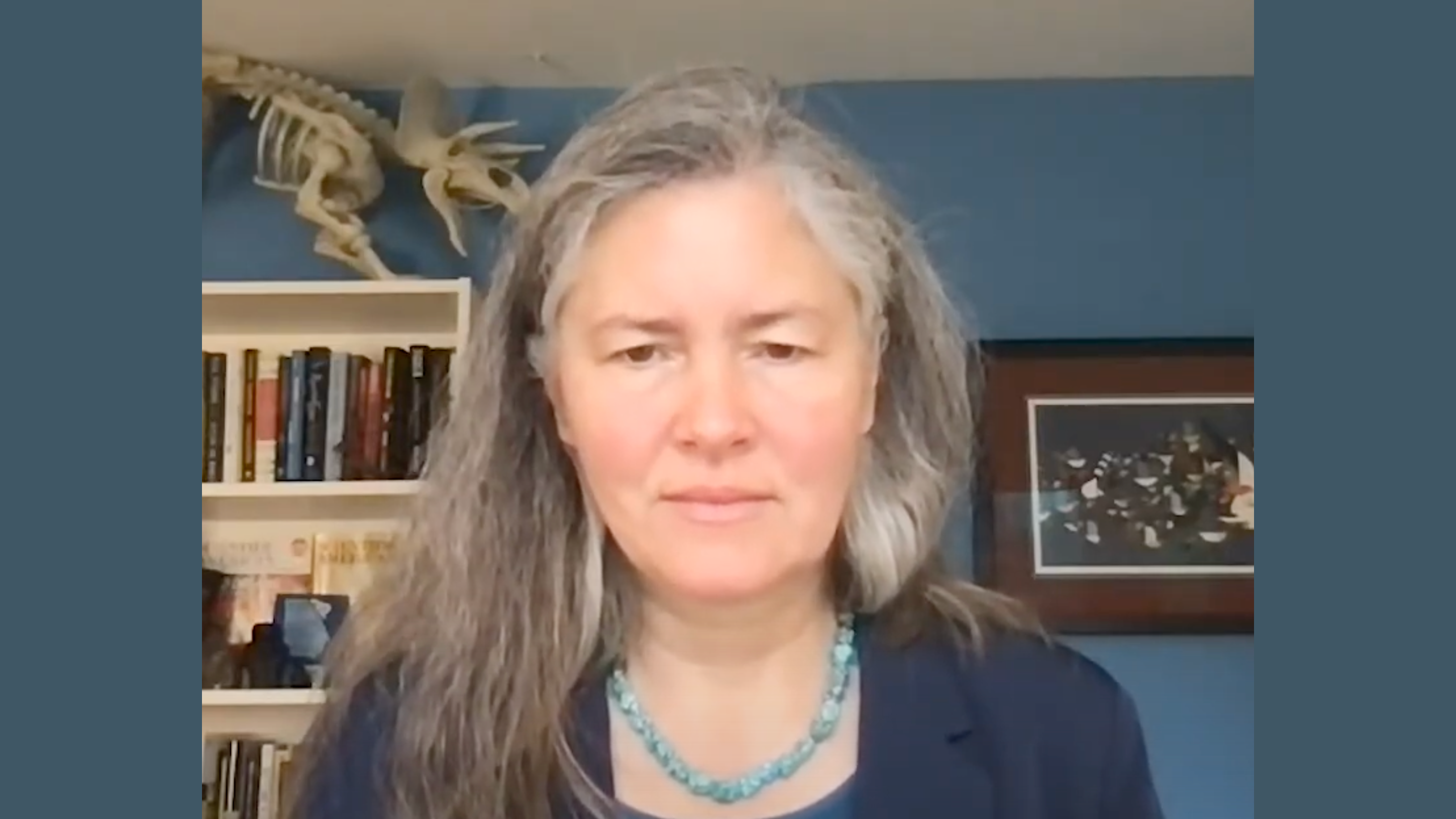

Laura Helmuth, the controversial Editor-in-Chief of *Scientific American*, has officially announced her departure from the publication. This decision follows a tumultuous period marked by her emotional outbursts on social media after Donald Trump’s significant win on election night. In a post shared on BlueSky, Helmuth expressed her intention to step down after an eventful 4.5 years at the helm, indicating that she plans to take some time for personal reflection and perhaps enjoy some birdwatching. She also mentioned wanting to highlight a few pieces of work she felt proud to support during her tenure.
However, it was her reactions following the election results that drew considerable attention. Helmuth took to X (formerly Twitter) with a series of now-deleted posts where she made sweeping accusations against those who supported Trump, labeling them as racist, sexist, and fascist. She reached out to her followers seeking advice for workplaces on how to support individuals feeling devastated by the election outcome. Her comments quickly escalated; she referred to fellow members of Generation X as “fascists” and apologized to younger voters for what she perceived as their generation’s failure.
Her disdain didn’t stop there; Helmuth made derogatory remarks about people living in “flyover” country, implying they were contributing factors in perpetuating racism and sexism. Reflecting on her upbringing in Indiana, she lamented why many people remain in places she deemed problematic while expressing respect for those who strive for change.
Under Helmuth’s leadership, *Scientific American* faced significant criticism for shifting from its roots as a respected science magazine into what many perceive as a politically charged publication. Critics argue that during her time, the line between scientific research and political activism became increasingly blurred. For instance, articles published under her guidance often tackled social justice issues rather than sticking strictly to scientific discourse.
One notable example is an article titled “From Civil Rights to Black Lives Matter,” which discussed the dynamics of various social movements throughout history. Additionally, numerous pieces advocated for abortion rights and transgender medical interventions without presenting balanced viewpoints or acknowledging opposing perspectives. Some headlines even claimed that certain late-term abortions are “moral and necessary health care,” stirring up intense debate within both scientific circles and the general public.
The magazine also featured content promoting transgender medical treatments aimed at minors while arguing against age restrictions on such procedures. An article suggested that extensive research supports these interventions as effective means of reducing depression and suicidal tendencies among transgender youth—a claim that has faced growing skepticism globally.
Helmuth’s comments eventually led to backlash from various quarters when critics called out her harsh language directed at millions of Americans who voted differently than she did. In response to this mounting criticism, she issued an apology through BlueSky before ultimately resigning from her position at *Scientific American*.
This incident raises questions about how far editorial bias can influence scientific publications and whether objectivity can be maintained when personal beliefs seep into professional roles. As readers reflect on this development in journalism, we invite you to share your thoughts in the comment section below!