
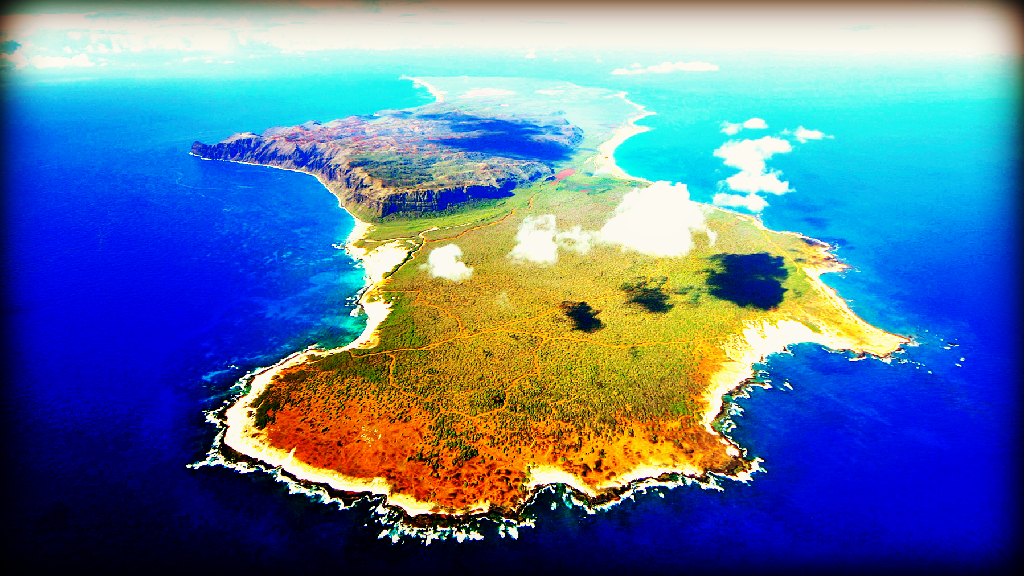

There’s a hidden gem in the United States that stands out in a surprising way—Ni’ihau, often referred to as ‘The Forbidden Island.’ This small island, nestled in the Hawaiian archipelago, is unique not just for its breathtaking landscapes but also for its political leanings. In both the 2020 and 2024 elections, President-Elect Donald J. Trump swept every single vote here. It’s a striking contrast to the rest of Hawaii, where Kamala Harris garnered an impressive 60.60% of the votes while Trump only managed 37.47%.
What makes Ni’ihau so special? The island spans just 69.5 square miles and is primarily home to native Hawaiians. Interestingly, about 80% of its income comes from a small Navy installation located there. Despite being part of Kauai County, Ni’ihau has maintained a distinct identity and culture over the years. At the last census in 2020, it was reported that only 84 residents lived on this secluded island; however, other estimates suggest that the population might be even smaller, ranging between 35 and 50 individuals.
In stark contrast to Hawaii’s overall voting trends, Ni’ihau stands as a stronghold for Republican voters. In the presidential election of 2016, there were only 34 votes cast—20 went to Donald Trump while just 10 were for Hillary Clinton. Fast forward to 2020: Trump received all 43 ballots cast on the island against Joe Biden—a remarkable feat that highlights Ni’ihau’s unwavering support for him.
The Robinson family has owned Ni’ihau since 1915 and has chosen to keep it largely closed off from outsiders. While half-day helicopter tours and beach excursions are available today, these do not allow for direct interaction with residents or accommodations on the island itself. This isolation contributes to its unique character and ensures that outside influences remain minimal.
Ni’ihau is more than just an electoral anomaly; it represents a way of life that many may find intriguing yet foreign in today’s fast-paced world. Residents live closely with their traditions and heritage while maintaining their own governance style—a rarity in modern America.
As you ponder this fascinating slice of American life where politics seem almost frozen in time, feel free to share your thoughts below! What do you think about Ni’ihau’s political landscape? How does it compare with your own community? Join the conversation!