
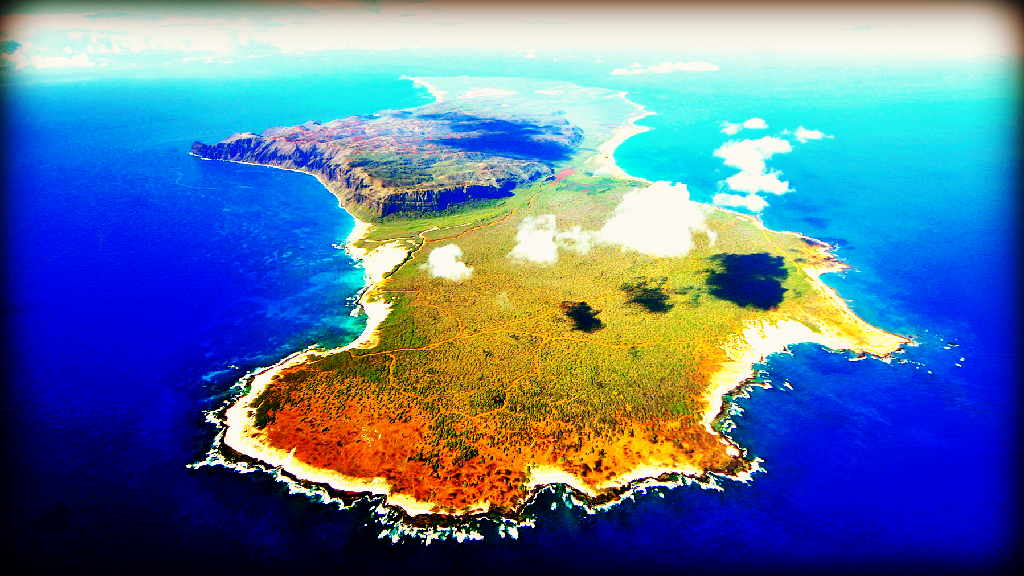

There’s a hidden gem in the United States where supporters of Kamala Harris are nowhere to be found. In fact, this place is so unique that President-Elect Donald J. Trump not only swept the votes there in 2024 but also made a strong showing back in 2020. Intrigued? You should be, because we’re talking about Niʻihau, famously known as ‘The Forbidden Island,’ nestled within the beautiful Hawaiian archipelago.
Niʻihau is unlike any other location in America. Almost all its residents are native Hawaiians, and around 80% of their income comes from a small Navy installation stationed on the island. Covering just 69.5 square miles, it’s part of Kauai County and has an intriguing history; Franklin D. Roosevelt once considered it as a potential site for the United Nations headquarters due to its remote nature and rich cultural background.
According to the 2020 census, Niʻihau had a recorded population of only 84 people, but estimates suggest that the actual number may vary between 35 and 50 residents. This starkly contrasts with Hawaii’s overall voting patterns; while Kamala Harris secured an impressive 60.60% of votes statewide during the last election cycle, Donald Trump found his strongest support on this isolated island.
In fact, Niʻihau has become a bastion for GOP voters. During the presidential election in 2016, only 34 votes were cast on the island—20 went to Donald Trump while just 10 were for Hillary Clinton. Fast forward to 2020: Trump won every single one of the 43 ballots cast against Joe Biden, and he has done it again in this latest election cycle.
The Robinson family has owned Niʻihau since 1915 and has maintained strict control over access to this secluded paradise. Most visitors are not allowed entry; however, there are half-day helicopter tours available that provide glimpses of its stunning landscapes without direct contact with residents. It’s worth noting that accommodations on the island are non-existent—visitors can admire its beauty but cannot truly experience life there.
This unique political landscape raises questions about how such a small community can exist so distinctly apart from broader national trends. What makes Niʻihau tick? Is it simply tradition or perhaps something deeper tied to their identity as native Hawaiians? The contrast between their voting habits and those of other parts of Hawaii paints an intriguing picture worth exploring further.
Niʻihau stands as a testament to how diverse opinions can shape even small communities within our nation’s borders. Its isolation contributes not only to its political leanings but also preserves cultural practices that might otherwise fade away amid modern influences.
As you ponder these insights into Niʻihau’s remarkable voting patterns and lifestyle choices, we invite you to share your thoughts below in the comment section!