
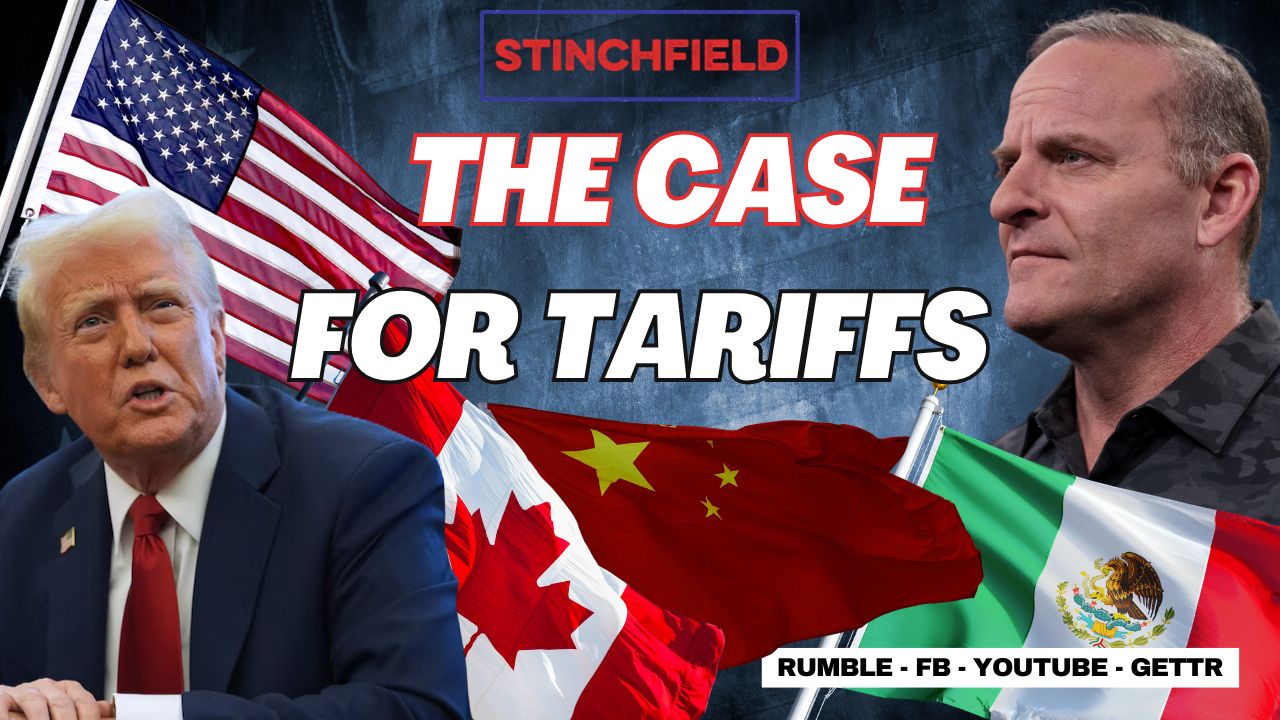

A new twist in international trade is unfolding as President Trump’s proposed tariffs start to show results. An image from steadfastnation.com shows a scene of determination that mirrors the current political landscape. Mexico is making moves under pressure and has agreed to send 10,000 of its troops to the U.S. border. That decision comes as a direct response to tariffs imposed by the Trump administration, and the message is clear: our leaders are not backing down. Canada, a longtime American ally, is also under pressure and is expected to cave soon as well. These steps bring up lots of questions about how global trade is being reshaped right before our eyes.
The administration has made it clear that these tariffs will only affect a very small portion of America’s GDP. According to recent discussions, “Only 15% of our goods and services into America are imported.” That may seem like a minor detail to some, but these numbers have a deeper meaning for those who care about protecting American industry and jobs. With such a modest share of imports in play, it makes sense to use tariffs aggressively on countries that pose a challenge to our national interests. Those imports come in parts, and interestingly, Mexico and China each represent about a third of those imports. This fact adds an extra layer of intensity to the tariff strategy, putting pressure on countries that are key players in American trade.
There is also a broader ideological battle at work here. Beyond the economic figures, many believe that these tariffs hurt the globalists. When the tariffs hit their targets, it is not just trade that is affected. The value system and policy initiatives pushed by globalist groups may be seriously undermined, reinforcing the idea that President Trump’s approach is all about putting America first. The news is stirring conversation among citizens, and many see this as a fight between traditional American values and forces that push for global governance. It is a moment that calls for a closer look at how foreign policy decisions can ripple into everyday American life.
At times, these strategies may sound hard and uncompromising. Yet, they also reveal a willingness to stand firm against those who have long set the agenda for international trade deals. The recent actions by Mexico and the looming changes in Canada exemplify a new phase in trade negotiations. There is talk about tactics and even playful monikers in political discussions. One piece that recently caught the public eye featured the phrase, “And “The Trump Troll,” why it works and how he uses it.” Such terms might seem like political jabs, but they underline a significant point: President Trump’s outspokenness and unconventional methods have ignited strong reactions on both sides of the political spectrum.
It is evident that these developments are not just about numbers or policies on paper. They are about asserting national strength and prioritizing American interests. As the trade discussion evolves, it is clear that these actions, though affecting only a slice of the economy, have far-reaching implications. They send a message to our trading partners and to those backing the globalist agenda: the era of putting America first is in full swing, and no one is safe from the consequences of this bold approach. Readers, we want to hear from you. Please share your thoughts in the comment section below.