
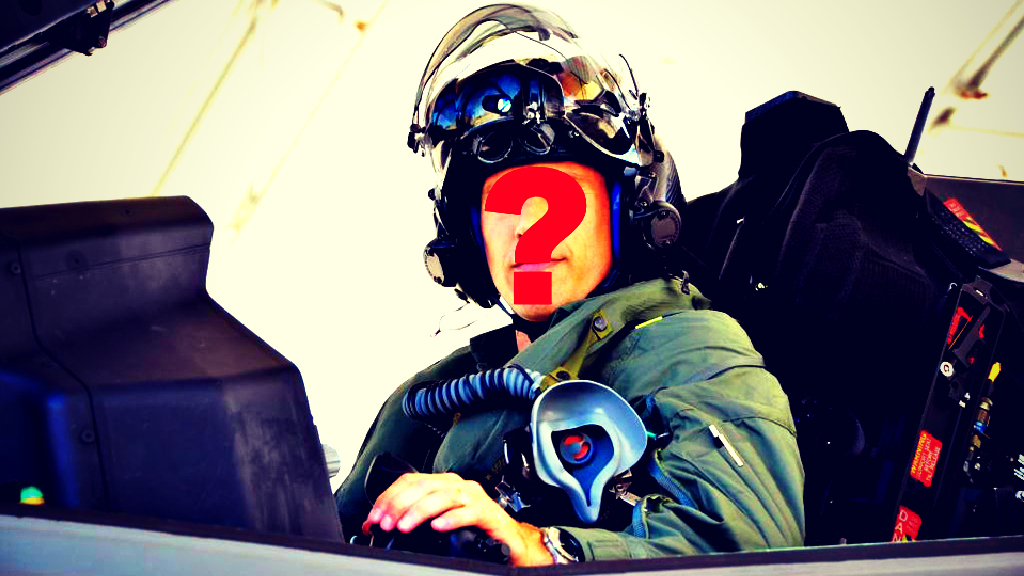

The United Kingdom, once a mighty military force, now finds itself in a difficult situation. Images such as the one above depict a Royal Air Force pilot having to face challenges during training. The accompanying caption reads, “Not nmearly enough pilots and trainees after a failed ‘diversity’ push.” This striking picture highlights a concerning trend in the UK military’s efforts to keep up with modern challenges. With few combat-ready tanks and a shrinking Army, many wonder if the nation can continue to protect its interests abroad.
For a former great power still trying to flex its military muscles around the world, the United Kingdom seems woefully unprepared. The nation’s Army has “shrunk to its smallest size since the Napoleonic Wars,” and today much of the focus is on the Royal Air Force. In a time when global conflicts still loom, such deficiencies are alarming. The RAF is not only grappling with outdated equipment and budget cuts but also with internal issues that could undermine its readiness. Problems that once seemed distant now force the country to rethink its strategy on military recruitment and training.
The RAF is now facing a serious pilot shortage, which has been tied to a failed diversity hiring scheme that many believe backfired. With only around 73,000 troops and—believe it or not—only 40 combat-ready battle tanks in service, the shortage of pilots is a major setback. An internal document has revealed that the RAF needs a much higher number of pilots for training, hinting at a crisis that could have long-lasting effects on national security. As the military scrambles to fill these gaps, it is clear that the consequences of past recruitment practices are becoming evident.
Media reports have shed light on the situation. As noted by The Telegraph, “The Air Force is so short-staffed that candidates who were previously rejected are being urged to reapply, as well as older applicants who have experience in ‘flying-related roles’.” Further adding to the complexity, the document revealed that the shortage is occurring at a time when high-level political figures, like Sir Keir Starmer, are vocal about the UK’s role in global conflicts. He has restated the nation’s willingness to put “boots on the ground and planes in the air” to help Ukraine secure a peace deal. The connection between these political statements and the internal struggles within the RAF paints a picture of a government under pressure to deliver military might despite internal weaknesses.
The controversy deepens with remarks from prominent Conservative voices. Mark Francois, the [Conservative] shadow Armed Forces minister, told the paper: “The RAF’s availability of combat pilots has been hit by a perfect storm: including woke manipulation of recruiting practices, the revival of civilian airlines post-Covid and technical issues with training aircraft, particularly engine reliability on the Hawk T2. All this really matters. If we are now going to see ‘jets in the sky’ defending any Ukrainian peace deal, then we need enough trained pilots to fly them.” These words speak to the frustration within the armed forces and the political debate over how best to rebuild a capable defense structure.
Unsurprisingly, critics argue that the diversity drive has led to a shortage of qualified personnel. Many believe it is no accident that efforts to increase the number of women and ethnic minorities in the military have sidelined white male recruits, who have traditionally made up a large part of the RAF’s skilled personnel. The air force’s ambitious target—to have 40 percent women and 20 percent of personnel from ethnic minorities by 2030—now appears to be beyond reach. This situation raises questions about whether these policies have hindered rather than helped the recruitment of qualified pilots.
As the problems mount, the British defense community is left to question the balance between modernizing recruitment practices and maintaining the highest standards of military readiness. The current issues with the RAF suggest that if changes are not made, the nation could continue to face significant challenges in keeping its armed forces fully operational. Readers, please leave your thoughts in the comment section below.