
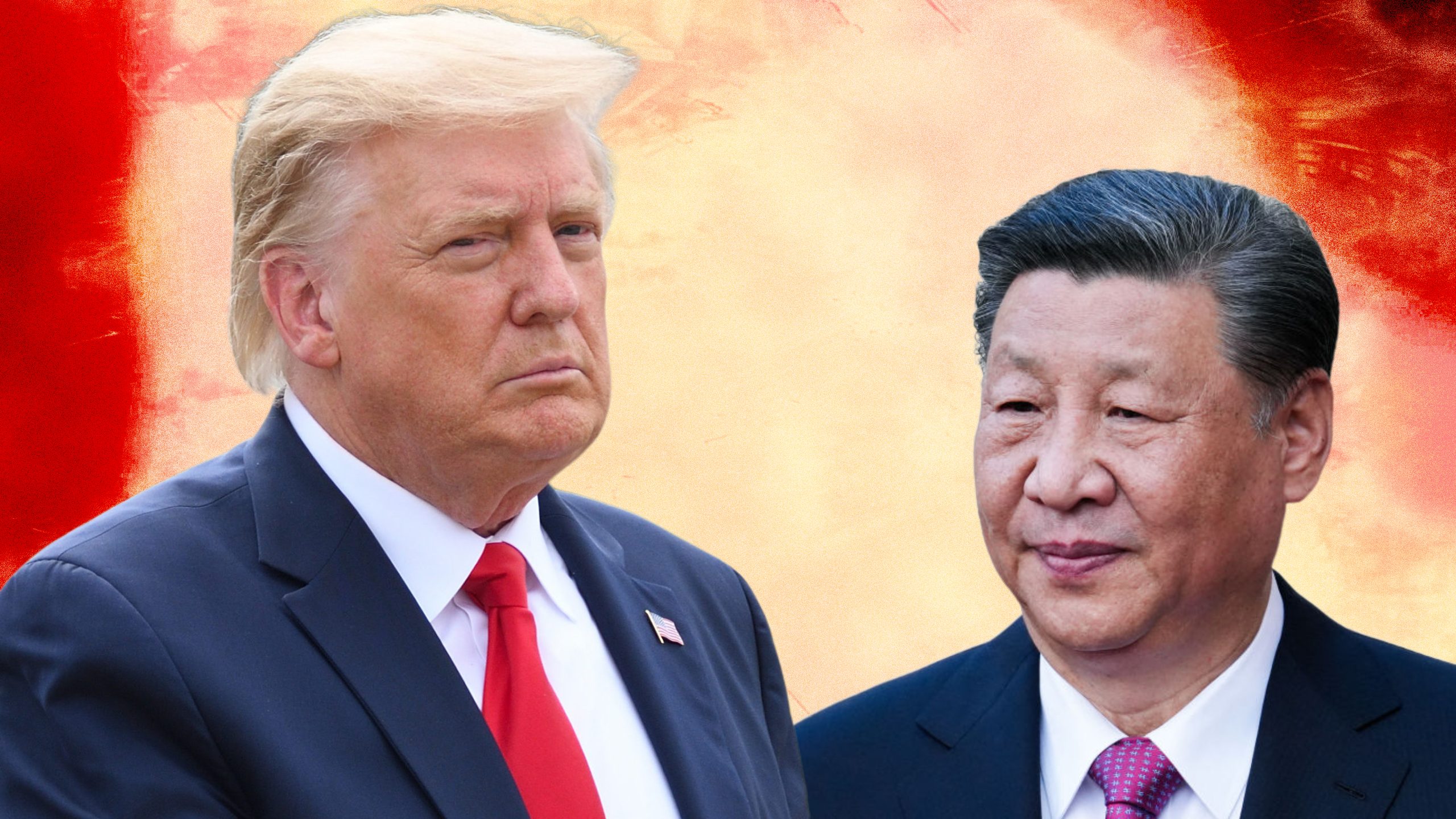

President-elect Donald Trump is making it clear that he won’t back down when it comes to dealing with China. After a strong warning from Chinese President Xi Jinping at the APEC summit in Peru, Trump’s team responded with determination, indicating that his tough stance on China will not only continue but may even escalate. Xi’s warning included four “red lines” that he said could lead to conflict: Taiwan, human rights issues, China’s governance system, and its right to economic development. This direct message seemed aimed specifically at Trump, who has made it a priority to reduce the U.S. economy’s reliance on China.
Trump’s approach remains focused on prioritizing American interests rather than yielding to pressure from adversaries. His choice of cabinet members tells us a lot about his strategy moving forward. With prominent critics of China like Senator Marco Rubio likely being appointed as Secretary of State and Representative Mike Waltz expected to take on the role of National Security Advisor, it’s clear that Trump’s administration will be dedicated to countering Beijing’s ambitions.
Rubio has been a strong supporter of Taiwan and has frequently spoken out against China’s human rights violations. His perspective will be an important addition to Trump’s inner circle as they navigate relations with China. Waltz has also been vocal about the idea that China poses the biggest threat to U.S. interests today, ensuring that national security policies will remain vigilant against any moves by Beijing.
Another key figure in Trump’s strategy is Commerce Secretary nominee Howard Lutnick, who is anticipated to lead efforts aimed at strengthening the U.S. semiconductor industry while reducing dependency on Chinese manufacturing. This move is essential for limiting China’s access to crucial technologies that can impact national security. Additionally, Robert Lighthizer’s return as trade czar suggests that aggressive tariffs and sanctions seen during Trump’s first term are set to continue.
Trump has repeatedly emphasized Taiwan’s importance in terms of global security and trade routes. He views supporting Taiwan not just as a way to counter Xi Jinping’s ambitions but also as vital for maintaining secure trade channels worldwide. His call for Taiwan to increase its defense spending reflects his broader philosophy: allies must contribute more towards their own security if they want continued support from the United States.
While the Biden administration has taken notable steps against China during its time in office—such as imposing sanctions related to human rights abuses in Xinjiang and tightening export controls—these actions do not compare with Trump’s history of direct confrontation with Beijing. During his presidency, he laid out a comprehensive strategy aimed at countering Chinese influence through various means.
As Xi Jinping seeks greater geopolitical power, Trump appears unfazed by his warnings and signals that if he returns to the White House, there will be no compromises regarding American sovereignty or strategic interests. If Xi believed his warnings would weaken Trump’s resolve, he seems mistaken; instead, we might be witnessing the beginning of an even tougher showdown over global leadership dynamics.
What are your thoughts on this ongoing situation? Share your opinions in the comments section below!