
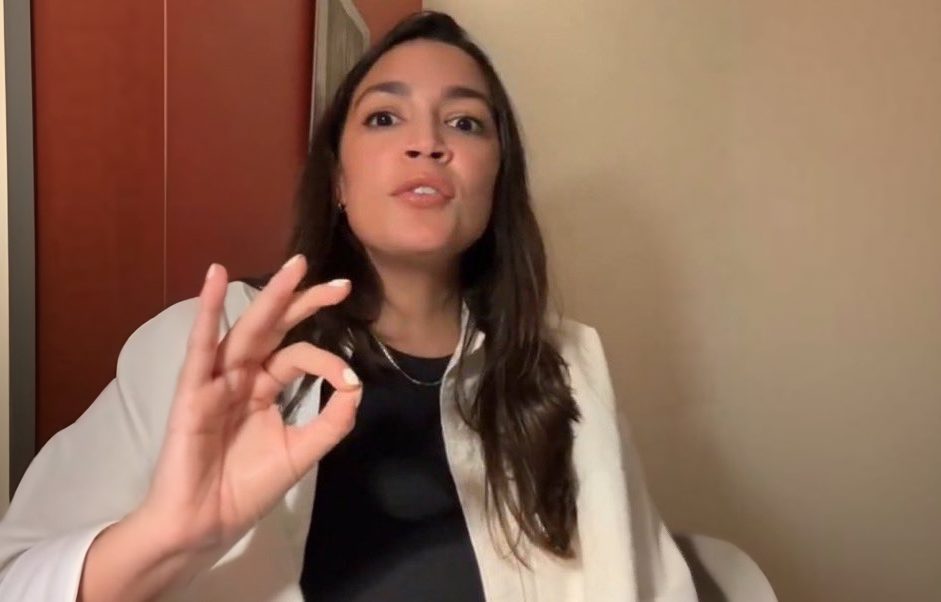

A new allegation is swirling around Representative Alexandria Ocasio-Cortez, and questions about the proper use of taxpayer funds have taken center stage. A government accountability nonprofit, Americans for Public Trust (APT), has sent a letter to the Office of Congressional Ethics (OCE) claiming that AOC may have used money from her official congressional budget for, of all things, dance classes. The letter states that her office made two payments—one for $3,700 to an individual named Juan D. Gonzalez and another for $850 to Bombazo Dance Co Inc.—with both expenses listed as “training.” APT argues that these payments might have violated federal law because congressional allowances are meant to cover official duties, not personal or campaign-related expenses. If the allegation is true, this represents a serious misuse of taxpayer dollars.
The claim has stirred up a strong reaction from AOC herself. In a spirited reply on social media, she defended her position by saying that the payments in question were actually reported to the Federal Election Commission (FEC) rather than to Congress. “None of this is taxpayer money, this is an FEC filing,” she posted on X (formerly Twitter). “Be loud and wrong about something else. Try again next time.” This social media assertion is designed to dismiss the allegations quickly, but it leaves many details open for further investigation. While her supporters may see her response as a confident rebuttal, critics remain concerned that something is not adding up in the way these funds were handled.
The heart of the matter lies in the question of transparency. If all transactions are above board and clearly separated between campaign funds and official allowances, then the explanation should easily put these concerns to rest. Yet, the fact that a government watchdog group has brought up these payments in the first place raises important questions about oversight and accountability. It is not everyday that a member of Congress is compelled by critics to explain why funds meant for official work might be linked to activities like dance training. This situation underscores the call from many citizens and watchdog groups for clearer records and greater transparency in the accounting of public funds.
For those following the story, this is not the first time that AOC’s financial dealings have come under fire. Previous controversies, including those related to her Met Gala dress scandal and past campaign finance complaints, have also drawn attention and criticism. Many are left wondering if this latest allegation is simply another political attack or if it reveals a deeper issue with the way campaign and official funds are managed. Conservative voices have long argued that public officials must be held to strict standards when it comes to handling taxpayer money. They believe that every dollar should be accounted for and that any hint of mismanagement should be thoroughly investigated.
The mixed messages coming out of AOC’s office have left some observers puzzled. On one side, if the funds used for the dance classes are part of an FEC filing, then they are campaign-related expenditures. On the other side, if it turns out that these payments were drawn from the official congressional budget, it could mean that taxpayer money was used inappropriately. This ambiguity not only casts a shadow over AOC’s financial decisions but also fuels the broader debate on whether elected officials are held accountable for their spending. The situation is a reminder that transparency is a cornerstone of good governance and that public trust can be easily eroded when questions remain unanswered.
The controversy opens up the floor for discussions about the need for clear distinctions in financial reporting. It is a debate that resonates with many who demand that their representatives use public funds responsibly. Readers are invited to share their thoughts on this matter. Please leave your comments in the comment section below.