
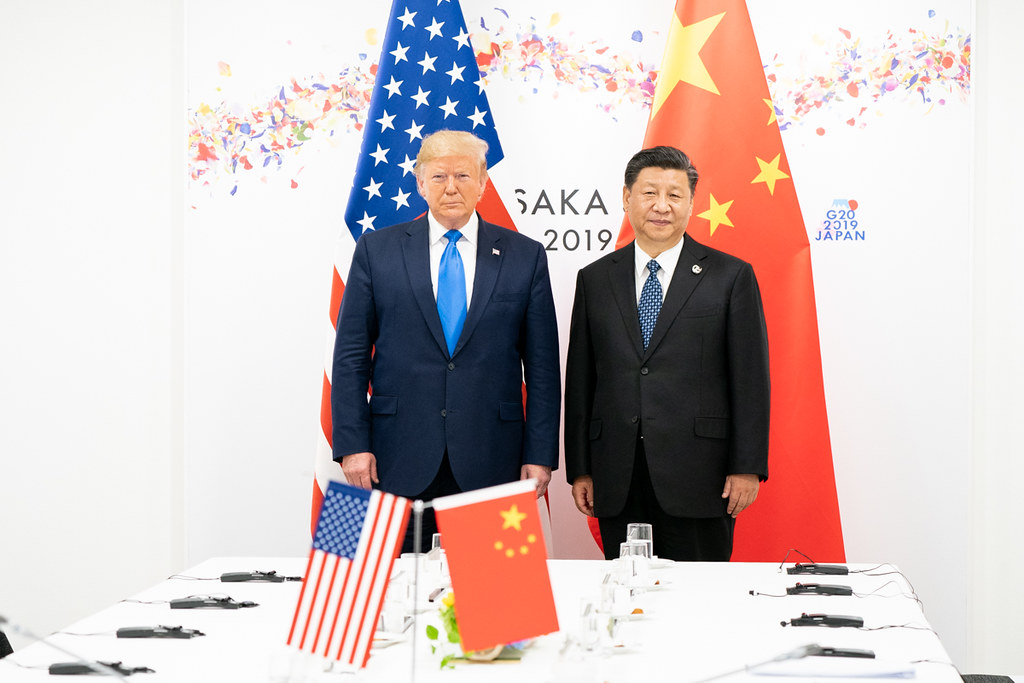

On January 20th, at 12:00 pm, President Trump will officially resume his duties as President of the United States. This inauguration is notable not just for its timing but also because several world leaders have been invited to attend, a move that has never happened before in U.S. history. While it’s common for ambassadors to be present at such ceremonies as a sign of diplomatic courtesy, having heads of state join the event is unprecedented. According to Time, citing the Associated Press, “While foreign diplomats such as ambassadors have typically attended U.S. presidential inaugurations, no foreign head of state has previously made an official visit for the occasion… But that is set to change for Trump.”
Among those expected to attend are Argentinian President Javier Milei and Italy’s Prime Minister Giorgia Meloni, who will participate if her schedule allows. Additionally, Daniel Noboa from Ecuador and India’s external affairs minister Subrahmanyam Jaishankar are confirmed attendees. Japan’s foreign minister Takeshi Iwaya is also on the guest list. El Salvador’s Nayib Bukele has received an invitation but has yet to confirm his attendance.
In early December, President Trump extended this unusual invitation which raised eyebrows among some media commentators. CNN’s Stephen Collinson described it as “a reminder of Trump’s fondness for foreign policy by grand gesture and his willingness to trample diplomatic codes with his unpredictable approach.” He elaborated that this tactic might not always yield results since adversaries often prioritize national interests over personal relationships.
Despite President Xi Jinping not attending personally, Trump’s invitation seems to resonate in China. The Chinese Ministry of Foreign Affairs announced that Vice President Han Zheng would represent Xi at the inauguration ceremony. The ministry stated that they are ready to work with the new U.S. government in enhancing dialogue and cooperation while managing differences effectively.
The South China Morning Post noted back in December that even if Xi sends a representative instead of attending himself, it could still pave the way for vital communication channels between China and the United States. Some experts consider Trump’s outreach a “brilliant tactical move,” suggesting it could lead to discussions on critical bilateral issues amid rising tensions in trade relations.
Trump’s knack for negotiation has been evident throughout his presidency; he famously wrote “The Art of the Deal” and “The Art of the Comeback.” Since winning re-election in 2024, he has hosted numerous world leaders at Mar-a-Lago—his so-called “Winter White House.”
This break from tradition extends beyond just leaders from established nations; other notable figures scheduled to attend include Tom Van Grieken from Belgium’s Vlaams Belang party, Éric Zemmour from France’s Reconquête party, Tino Chrupalla representing Germany’s Alternative for Germany party, Santiago Abascal from Spain’s Vox party, and Nigel Farage from Reform UK.
As we look forward to this unique event on January 20th, it’s clear that Trump’s approach continues to shake up conventional diplomatic practices while drawing attention both domestically and internationally. What do you think about these developments? Share your thoughts in the comment section below!